Why TPE material is good for car floor mats?
2026-10-09
Car floor mats come in a variety of materials and designs, and understanding their differences is essential for choosing the most suitable option for your vehicle. Each type of floor mat offers unique advantages and limitations in terms of protection, durability, comfort, and appearance.
1. TPE Floor Mats
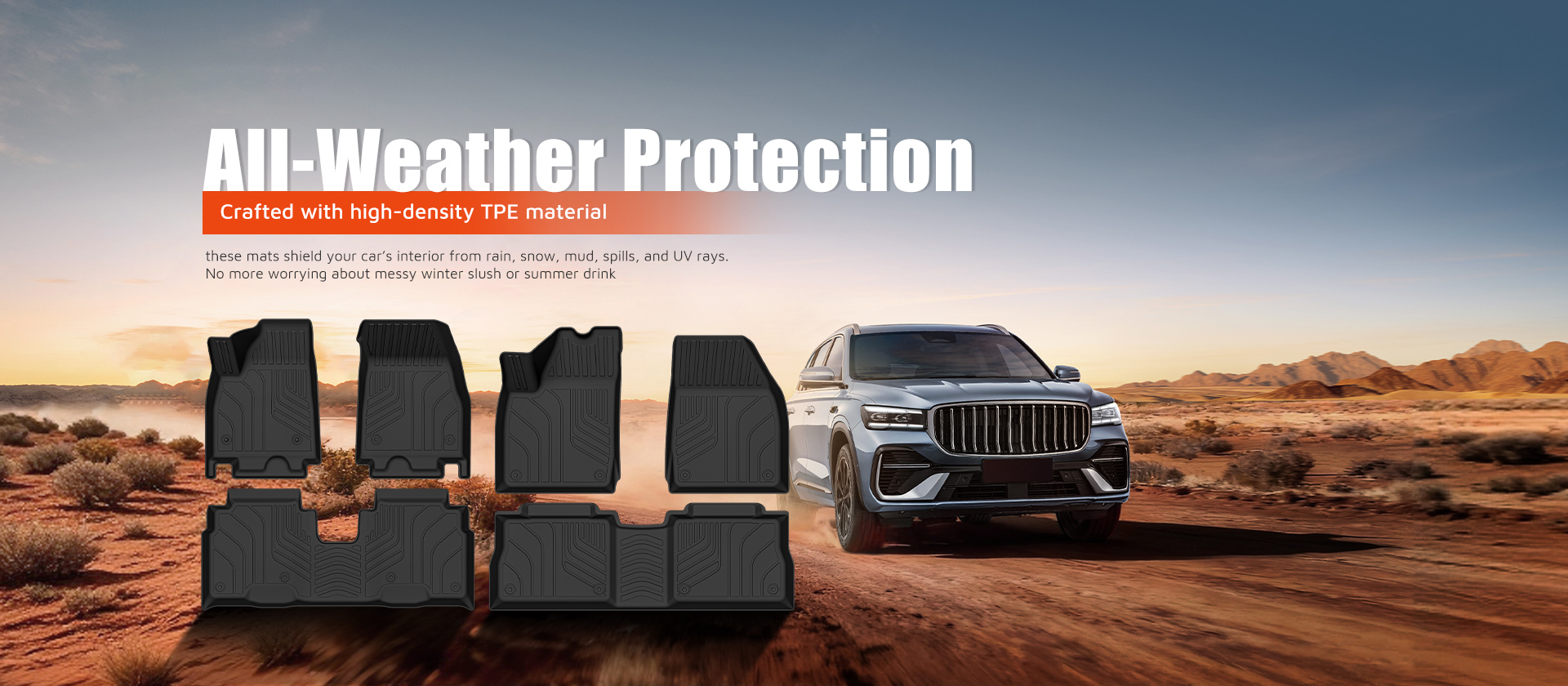
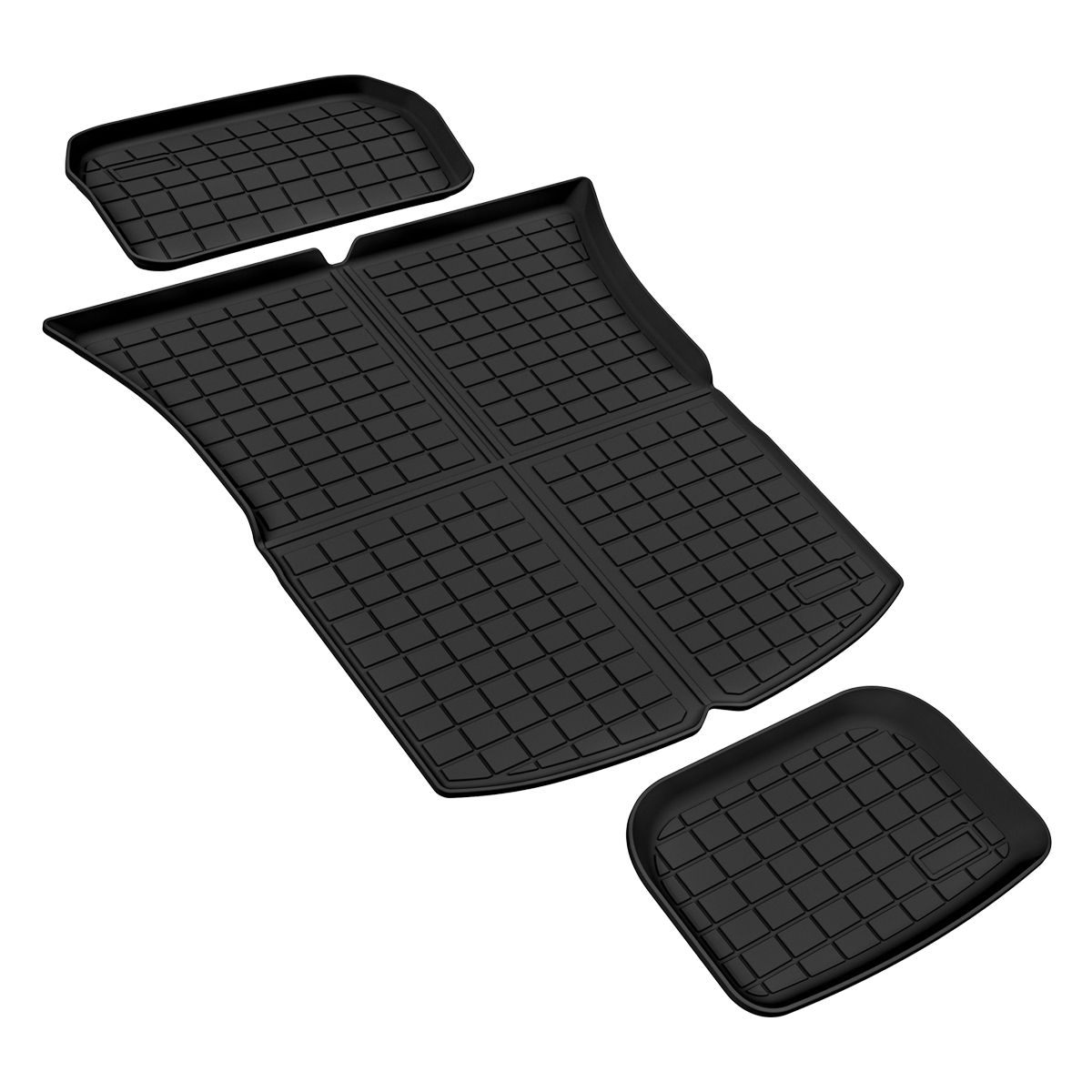
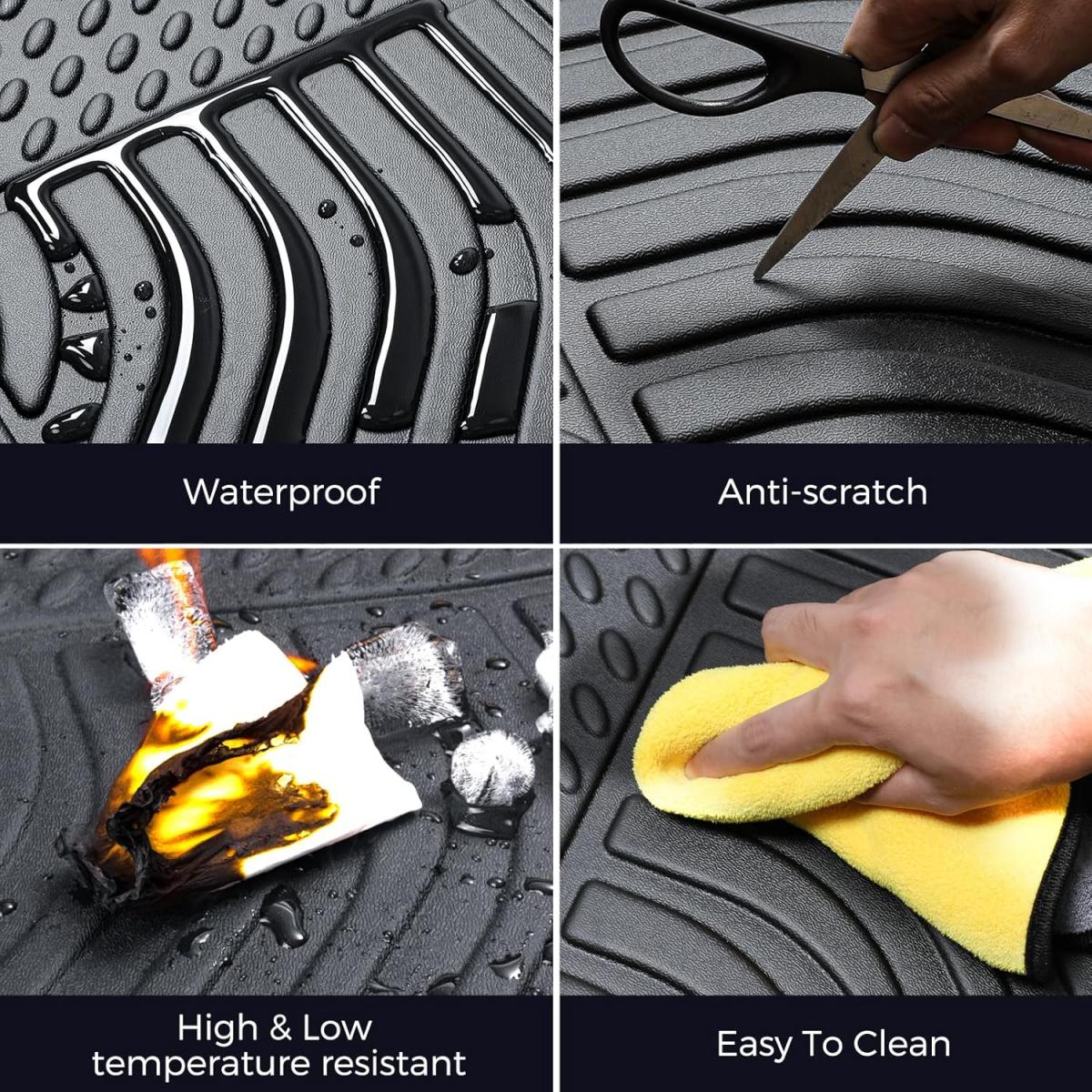
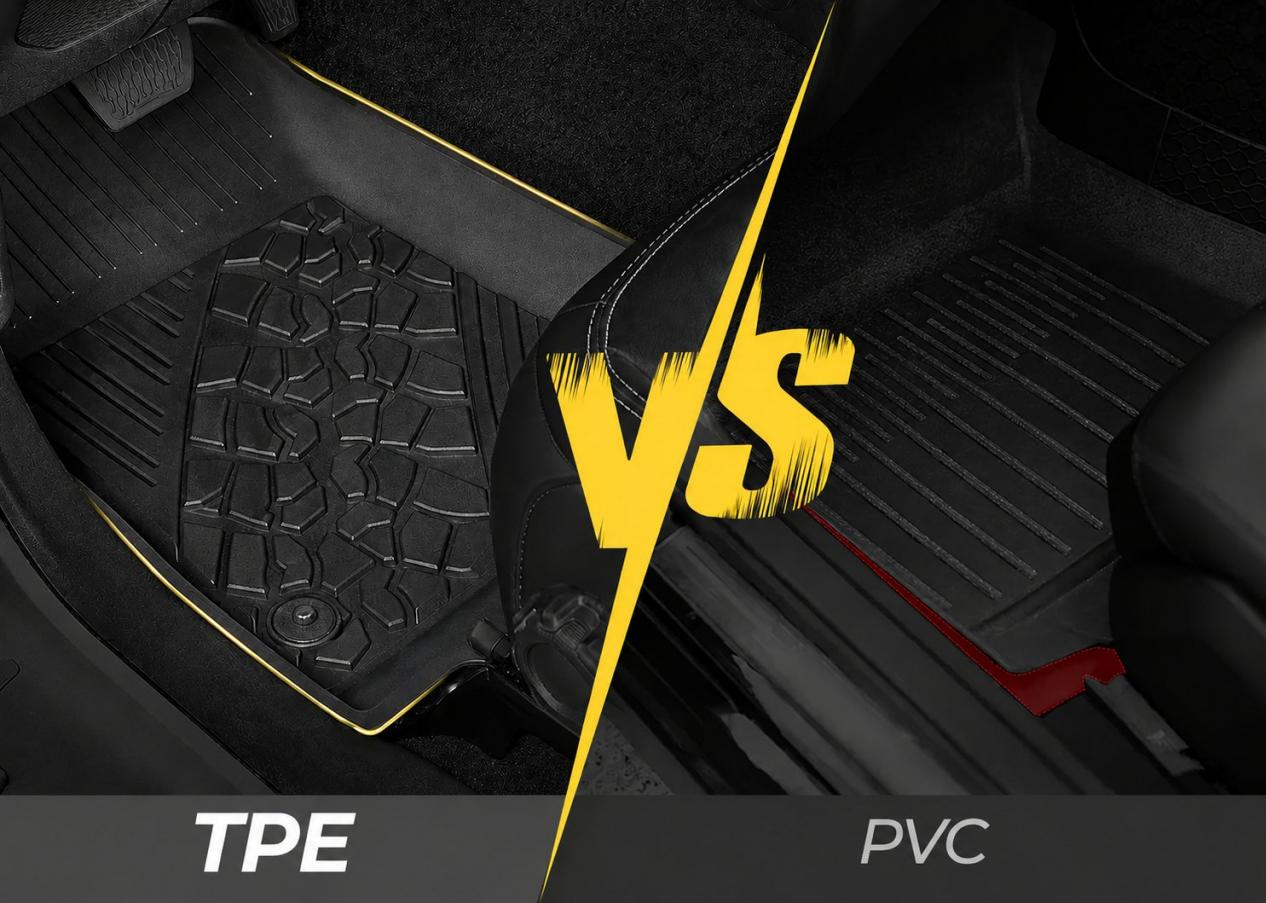
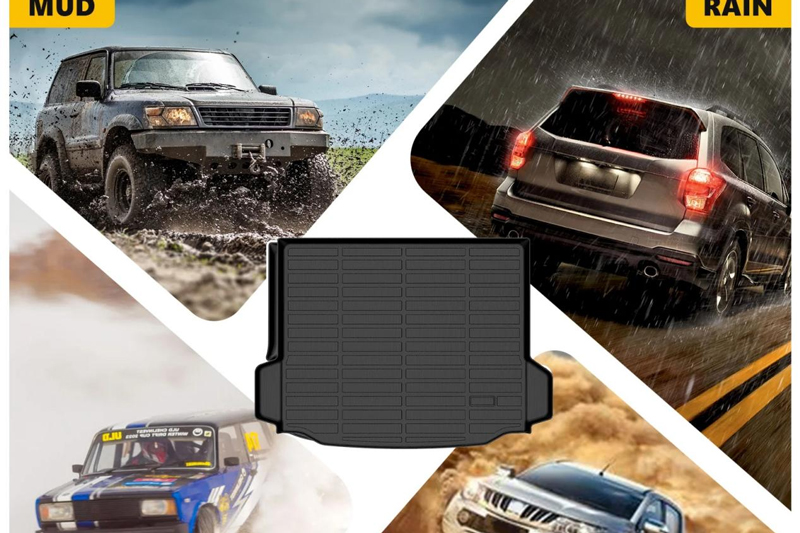
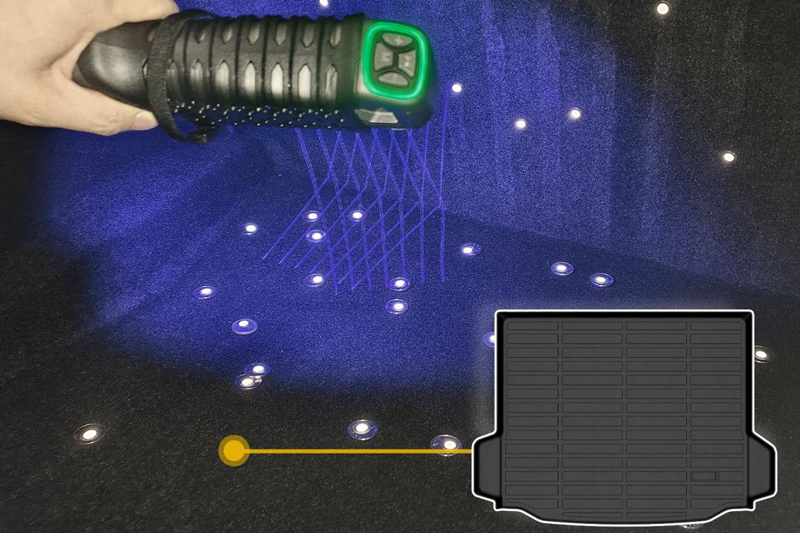
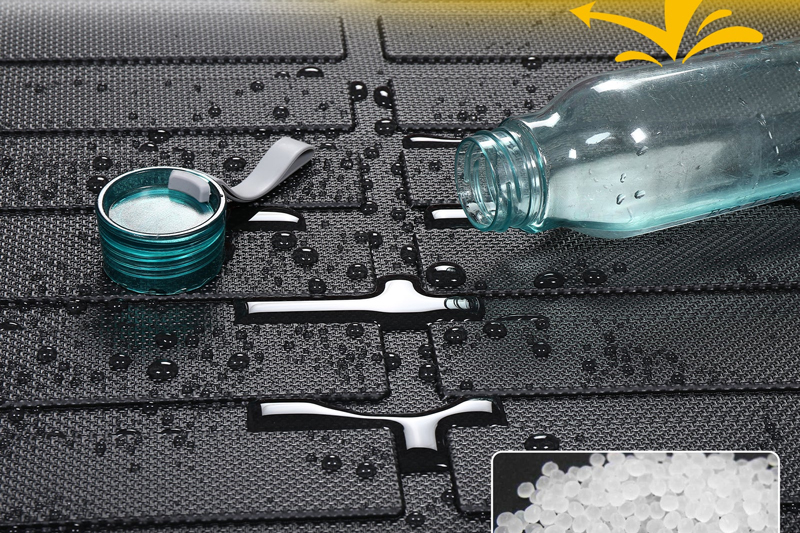
The core characteristics of TPE are "low odor" and "low VOC emissions." Because its elasticity stems from the polymer chain structure itself—requiring neither plasticizers nor vulcanization—it does not release volatile additives due to temperature fluctuations, unlike PVC or rubber. It remains flexible at temperatures as low as -40°C and maintains its shape without deforming at temperatures up to 80°C; it avoids the cold-cracking or warping issues seen with PVC, as well as the repeated odor release associated with rubber during thermal cycling. It is water-resistant, non-absorbent, and easy to clean with a quick rinse. Combined with a one-piece molded design and a mechanical locking mechanism using OEM-style clips, it offers excellent safety and anti-slip performance. Lightweight and recyclable, the material boasts a lifespan of over 7 to 10 years.
2. Traditional Rubber Floor Mats
Traditional rubber naturally has a strong odor and moderate VOC emissions; because it relies on petroleum-based processing oils and vulcanization systems—additives that off-gas when heated—the odor tends to persist or recur rather than dissipating once and for all. At low temperatures (below approx. -18°C), the material hardens and the edges curl—a significant safety hazard if the curled edge interferes with the pedals—while high temperatures accelerate additive off-gassing. Although waterproof and non-absorbent, the mats become difficult to remove or install once hardened by the cold; slip resistance relies primarily on spikes on the underside, which are prone to wear. These mats are heavy and difficult to recycle, with a lifespan of 5–8 years; however, their superior abrasion and puncture resistance makes them a sensible choice for heavy-duty construction vehicles operating in warm climates.
3. PVC Floor Mats
PVC is inherently a rigid plastic that requires phthalate plasticizers to become pliable. Consequently, it tends to have a noticeable odor and higher VOC emissions; upon exposure to intense sunlight, volatile substances can form an oily, foggy film on the interior of the windshield. It also has poor temperature adaptability: it becomes brittle and prone to cracking in cold temperatures, while softening and losing its shape in high heat. Although it is non-absorbent and relatively easy to clean, it relies primarily on its underside structure for secure placement, resulting in relatively weak structural stability. It is moderate in weight and has low recyclability.
In summary, each type of floor mat has its own strengths and weaknesses. Consumers should consider their specific needs, usage environment, and budget when making a selection to ensure the best balance between functionality and aesthetics.