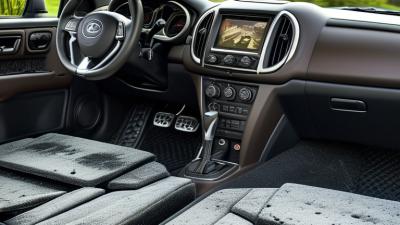
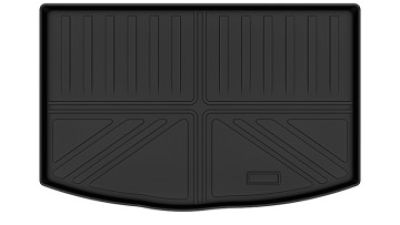
Our extensive product range covers over 2,000 vehicle models

Honestly, a TPE mat is basically made from thermoplastic elastomer—a flexible material that shows up in everything from fitness gear to automotive parts, household stuff, and industrial jobs. It sort of blends the softness of rubber with the way plastic can be processed. When that balance is right, you get a comfy surface, decent grip, and cleaning that isn't a headache. But—and this is important—not every TPE formula is the same. The label by itself? It doesn't tell you much about quality.
When you're picking the right mat, start with where it's going to be used. A yoga mat needs cushioning that doesn't feel mushy and traction that stays put. A car mat has to fit properly, have raised edges, and handle water and dirt. For workshops, thickness, tear strength, and chemical resistance matter a lot more. Look at dimensions, surface texture, weight, and temperature range. And if you can, ask the supplier for material details and independent test reports. Claims are nice, but evidence is better.
Small details really do matter.
I've seen mats that felt amazing in a showroom, then curled up after getting hit with heat over and over. That taught me a simple thing: comfort can't replace durability testing. Put the mat on a clean floor, check the edges, and see if it slides around during normal movement. Pay attention to strong odors, uneven texture, or color transfer. Those signs don't always mean it's a bad mat, but they're worth noticing. Also, thicker isn't automatically better—it might add cushioning while making the mat less stable or harder to store.
A dependable choice comes down to balance: safety, comfort, fit, maintenance, and how you actually plan to use it. Read the manufacturer's care instructions carefully. Compare verified specs instead of just pretty pictures. The right TPE mat should keep performing, not just look great on day one.
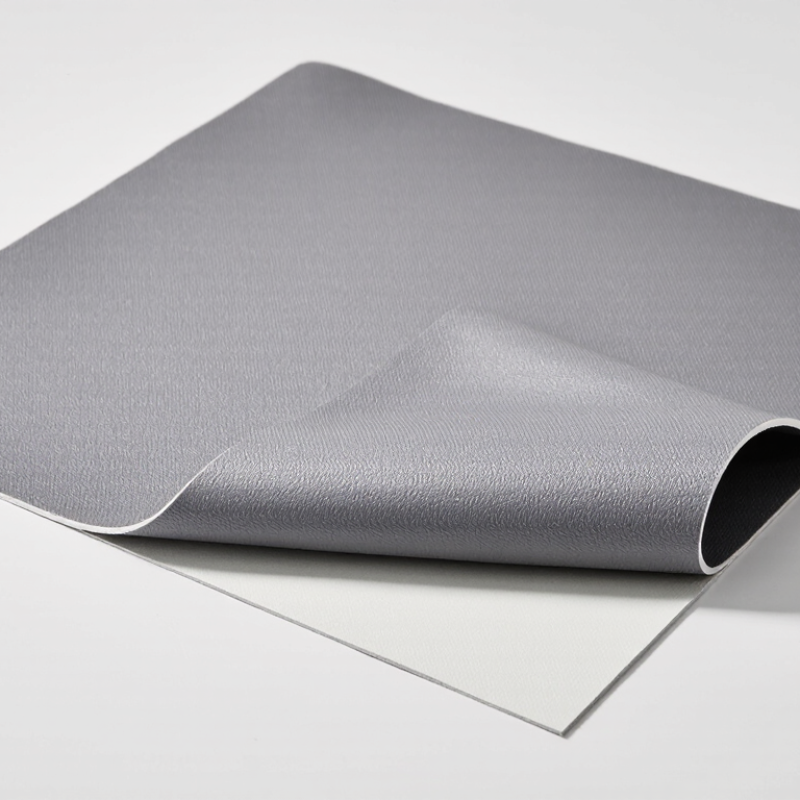
A TPE mat is made from thermoplastic elastomer, a flexible material that combines rubber-like softness with plastic-like processing. It bends without cracking under normal conditions and can often be reshaped during manufacturing. TPE usually feels smooth, slightly springy, and less rigid than ordinary plastic. Its closed surface helps resist water, mud, and spilled drinks. However, not every TPE formula performs equally well.
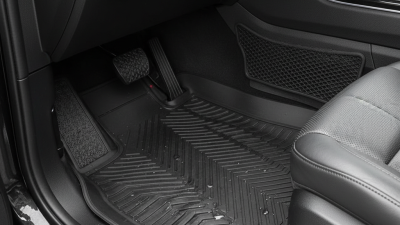
In practical use, a Tpe Car Floor Mat can catch sand beneath the pedals and keep melted snow away from carpet. Raised edges are important. They hold liquid during a rainy commute, while textured channels guide dirt away from shoes. A well-fitted mat should stay flat and avoid touching the accelerator or brake. That safety check matters more than a glossy appearance.
When choosing a TPE mat, check its thickness, edge height, surface grip, and fit for the exact vehicle model. A strong rubber smell may suggest poor ventilation or fresh manufacturing, though odor can vary by formula. Look for clear material information and care instructions. TPE is often easy to rinse, but harsh solvents may damage its surface. It is not flawless. Direct sunlight can still cause fading, and thin sections may curl over time. I would inspect the underside after washing, especially around the fixing points.
TPE mats begin with thermoplastic elastomers, materials that soften when heated and recover elastic behavior when cooled. Manufacturers commonly combine a hard polymer phase with a soft rubber-like phase. The recipe may include polyolefins, styrenic block copolymers, or thermoplastic polyurethane. Exact content varies. It may also contain mineral fillers, pigments, antioxidants, processing oils, and surface modifiers. “TPE” describes a material family, not one fixed formula.
Production usually starts with dry blending and controlled heating. The melted compound passes through an extruder, forming a sheet or textured profile. Some mats are foamed to reduce weight and improve cushioning. Others use injection molding or compression molding for raised edges and precise grooves. Cooling rollers set the thickness, while embossing creates patterns that trap water or dirt. I have found that sharp textures are not always better. They can be harder to clean.
Quality checks should examine thickness, tear strength, slip resistance, odor, and dimensional stability. A reliable supplier should provide technical data and relevant migration or emissions test results. Check the actual formulation, not only the phrase “eco-friendly.” Some mats contain recycled content, but that alone does not prove safer performance. Recycling is also complicated when several polymers and additives are blended. Details matter. A small sample can reveal curling, surface tack, or odor after heating. Those flaws may appear only after repeated use.
TPE mats are made from thermoplastic elastomer, a flexible material used for durable vehicle protection. In daily driving, they face muddy shoes, spilled drinks, sand, and changing temperatures. A well-designed mat should stay flexible in winter and resist softening during hot summer parking.
The key feature is the raised edge. It helps contain water and dirt before they reach the carpet. A deep, patterned surface can improve grip, especially when footwear is wet. Many drivers also value a 5d Tpe Car Floor Mat because its shaped design can cover footwells more closely than a flat universal mat. This extra coverage reduces cleaning work. It does not remove it completely.
Material quality matters. Look for a low-odor TPE formula, reinforced edges, and secure retention points that match the vehicle floor. A precise fit prevents unwanted movement near the pedals. Check the underside, too. A stable backing should hold its position without damaging carpet fibers. Cleaning is usually simple with water and mild soap, although heavy stains may need gentle brushing.
No mat is perfect. A deeper pattern protects better but may take longer to rinse. A very soft surface feels comfortable, yet it can show pressure marks over time. Buyers should compare measurements, climate needs, and cleaning habits instead of choosing by appearance alone. A short test after installation can reveal curling edges or poor pedal clearance. That small check is worth doing.
TPE mats are flexible, waterproof, and resistant to everyday wear. They are made from thermoplastic elastomer, combining rubber-like grip with easier processing. Common types include flat sheets, textured rolls, molded 3D mats, and cushioned foam mats. Flat sheets work well as drawer liners, shelf protection, and simple floor coverings. Textured rolls offer better traction in workshops, kitchens, and storage areas. Molded 3D mats have raised edges that contain water, mud, and small stones.
Automotive use is one of the most practical applications. A molded mat can protect the vehicle floor during rainy commutes or weekend trips. The phrase Tpe 3d Car Floor Mat Universal often describes a broad-fit product, but “universal” does not guarantee a perfect match. Check pedal clearance, seat rails, door edges, and the shape around the center console. TPE is easy to wipe clean, although deep grooves may hold fine sand. That small issue is often overlooked.
Tips: Measure the floor or working area before buying. Choose deeper channels for wet or muddy environments. Check whether the mat stays flat after temperature changes. A strong odor may suggest poor material control, so ventilation and product documentation matter. Do not choose thickness alone. A thinner, well-designed mat can fit more safely than a thick one. I have found that cutting a mat for convenience can weaken its edges, so careful fitting is better.
Typical continuous-use temperature ranges of common TPE materials used in mats. The best choice depends on flexibility, slip resistance, chemical exposure, durability, and the intended application.
These ranges are representative industry values and may vary with formulation, additives, thickness, and processing. TPE-S is commonly selected for flexible household and comfort mats, TPU for abrasion-resistant and high-performance mats, TPV for outdoor and automotive applications, TPO for lightweight automotive and industrial mats, and TPEE for applications requiring higher heat and fatigue resistance.
Choosing the right Tpe Car Mats starts with fit, not appearance. Measure the vehicle floor carefully, including seat rails, pedals, and anchor points. A mat should lie flat without touching the accelerator or brake. It should also have raised edges for muddy water and melted snow. Deep channels help, but excessive height can reduce usable foot space. That small compromise is easy to miss.
Material quality deserves closer inspection. TPE usually offers flexibility, water resistance, and easier cleaning than many traditional rubber blends. However, not every TPE formula performs equally. The 2024 Grand View Research analysis valued the global automotive floor mats market at more than 2 billion dollars, with demand supported by durable, custom-fit products. Growth does not guarantee quality. Ask for abrasion, tensile, and compression-set test results, preferably based on ASTM or ISO methods. Check the underside, too. A stable anti-slip pattern matters more than a glossy surface.
Consider climate and daily use. In wet regions, choose taller borders and sealed seams. In hot climates, inspect odor after leaving the mat inside a warm vehicle. “Low odor” is not a complete safety claim. Product documentation should identify material composition and testing conditions. I would also avoid mats that curl after storage, even if the catalog photos look perfect. Some fitment mistakes remain invisible until the first rainy commute.
| Selection Dimension | Typical TPE Mat Information | Why It Matters | Recommended Choice |
|---|---|---|---|
| Material Composition | Thermoplastic elastomer, commonly formulated from polymer blends that combine rubber-like flexibility with thermoplastic processing. | TPE can provide flexibility, resilience, and recyclability potential while avoiding the use of natural rubber latex in many formulations. | Choose a clearly specified TPE formulation with safety documentation when the mat will be used indoors, around children, or in sensitive environments. |
| Intended Application | Common applications include bathroom areas, kitchens, entryways, workspaces, exercise areas, vehicle interiors, and anti-fatigue zones. | Different environments require different levels of grip, cushioning, drainage, stain resistance, and wear protection. | Match the mat design to its primary use instead of selecting only by appearance or price. |
| Thickness | Many TPE mats are produced in approximately 2–12 mm thicknesses, depending on their purpose and construction. | Thicker mats generally provide more cushioning and floor protection, while thinner mats are easier to place under doors and furniture. | Use about 2–4 mm for lightweight coverage, 4–8 mm for general comfort, and thicker constructions for demanding anti-fatigue applications. |
| Hardness and Cushioning | TPE mats may range from soft and flexible to firm and supportive; hardness is often reported using Shore A values. | A softer surface can improve standing comfort, while a firmer surface may provide better stability under heavy loads. | Select a softer grade for comfort-focused use and a medium-to-firm grade for equipment areas, workshops, or high-traffic locations. |
| Slip Resistance | Surface textures such as grooves, raised patterns, or embossed finishes can increase traction, especially when the surface is dry or lightly wet. | Slip resistance is affected by texture, contamination, footwear, floor condition, and installation method. | Choose a textured, stable-backed design for bathrooms, kitchens, entrances, and other areas where water or debris may occur. |
| Water and Moisture Resistance | TPE is generally resistant to water absorption, although seams, edges, backing materials, and surface channels can affect overall performance. | Low water absorption helps simplify cleaning and reduces the chance of the mat retaining moisture. | For wet areas, select a non-porous mat with drainage features and allow both the mat and floor beneath it to dry regularly. |
| Temperature Range | Performance varies by formulation; many general-purpose TPE products are designed for ordinary indoor and outdoor conditions rather than extreme heat or cold. | Very high or low temperatures can change flexibility, dimensional stability, and surface grip. | Check the supplier's tested operating range when the mat will be exposed to direct sunlight, freezers, hot equipment, or outdoor weather. |
| Chemical and Stain Resistance | TPE commonly resists water and many everyday contaminants, but oils, solvents, strong acids, and concentrated cleaners may affect some formulations. | Chemical exposure can cause swelling, discoloration, tackiness, or loss of mechanical strength. | Review a chemical compatibility chart before using the mat in laboratories, workshops, garages, or commercial food-service areas. |
| Cleaning and Maintenance | Most TPE mats can be cleaned with water and a mild detergent; textured surfaces may require a soft brush. | Regular cleaning removes grit and moisture that can reduce traction and accelerate surface wear. | Avoid unapproved solvents, abrasive tools, and excessive heat. Dry the mat and the floor completely before reuse. |
| Dimensional Stability | Mat size and shape can be influenced by temperature, storage conditions, thickness, and the flexibility of the TPE formulation. | A mat that curls, shrinks, or expands excessively may create trip hazards or leave uncovered areas. | Choose a well-calibrated product with a stable backing or anti-curl construction, and store it flat when possible. |
| Edge and Backing Design | Options include beveled edges, flat edges, textured backs, and anti-slip backing patterns. | Edge geometry affects accessibility and trip safety, while the backing influences movement on smooth floors. | Use beveled edges in walkways and a compatible anti-slip backing on smooth, clean, dry floors. |
| Safety and Compliance | Requirements may involve slip performance, indoor air emissions, flammability, heavy metals, or chemical restrictions, depending on the market and application. | Compliance needs vary by country, location, and intended use, particularly in childcare, healthcare, transport, and commercial environments. | Request current test reports, material declarations, and safety data before purchasing for regulated or public-use locations. |
| Environmental Considerations | Some TPE products can be reprocessed or recycled, but recyclability depends on the formulation, additives, colorants, and local collection systems. | Material recovery is easier when the product uses a clearly identified and relatively simple material structure. | Ask about recycled content, end-of-life options, packaging, and whether the mat can be identified and separated for recycling. |
| Best Overall Selection Rule | The right TPE mat balances size, thickness, cushioning, traction, chemical resistance, maintenance, and verified safety performance. | No single specification is ideal for every location or user. | Prioritize the most demanding condition in the intended environment, then confirm fit, maintenance needs, and documentation. |
What Is TPE Mat and How to Choose the Right One?
A quality TPE mat should feel dense, flexible, and stable under pressure. Press one corner and watch how quickly it recovers. Uneven recovery may indicate weak foam structure or poor processing. A sharp chemical smell deserves attention. It does not prove danger, but it should not be ignored.
Check the product’s material disclosure and independent laboratory results. Testing should cover phthalates, heavy metals, polycyclic aromatic hydrocarbons, formaldehyde, and volatile organic compounds. The European Chemicals Agency’s Candidate List contains more than 240 substances of concern, showing why broad screening matters. A report that only says “non-toxic” is incomplete. Ask for test methods, laboratory dates, and sample identification.
Performance also affects safety. A mat with weak grip can increase slipping during movement. Measure dry and damp traction if possible. Inspect the edges for peeling after repeated bending. I would also examine color transfer with a clean, damp cloth. Small details reveal manufacturing consistency. However, one limitation remains: a single laboratory sample cannot represent every production batch. Batch testing provides stronger evidence. Store the mat away from direct heat, and air it in a ventilated room before regular use.
All-weather cargo mats are designed for the daily realities of modern driving: muddy shoes, wet luggage, groceries, sports equipment, and seasonal debris. According to the 2022 National Household Travel Survey, Americans make billions of personal vehicle trips each year, giving cargo areas constant exposure to dirt, moisture, and accidental spills. A waterproof trunk mat creates a dependable barrier between these messes and the original carpet. Its deep grooves channel rainwater, melted snow, sand, and mud away from cargo, while raised edges help contain leaking liquids before they reach the floor or side panels.
Fit is just as important as material. A properly shaped liner should follow the contours of the cargo area, remain stable during loading, and provide edge-to-edge coverage without interfering with access points. This tailored design reduces exposed gaps where salt, gravel, or spilled drinks can collect. It also helps prevent luggage, tools, and other cargo from scratching or staining the underlying carpet, preserving a cleaner and more presentable interior over time.
Protection can also support practical ownership costs. The 2023 AAA *Your Driving Costs* study estimated the average annual cost of owning and operating a new vehicle at $12,182, making preventive interior care a sensible part of routine maintenance. When cleanup is needed, a waterproof cargo mat can usually be removed, rinsed, and dried far more easily than fabric carpeting, delivering everyday convenience through changing weather and demanding cargo use.
TPE is a material family, not one fixed formula. A hard polymer phase combines with a soft, rubber-like phase. The blend may include fillers, pigments, antioxidants, oils, and surface modifiers.
Manufacturers dry-blend ingredients and heat them under controlled conditions. The melted compound passes through an extruder to form sheets or textured profiles. Some mats use foaming, injection molding, or compression molding.
Raised edges help contain water and dirt. Grooves improve drainage and create surface structure. Very sharp textures are not always better. They can trap grime and complicate cleaning.
Look for a dense, flexible surface that stays stable under pressure. Press one corner and observe its recovery. Uneven recovery may suggest weak foam or inconsistent processing. Not perfect evidence, but useful.
No. Odor alone does not prove danger. However, a sharp smell deserves attention. Air the mat in a ventilated room before regular use. If the odor remains strong, reconsider using it.
Ask for independent results covering phthalates, heavy metals, polycyclic aromatic hydrocarbons, formaldehyde, and volatile organic compounds. Request the test methods, laboratory date, and sample identification. “Non-toxic” alone is incomplete.
Very important. Poor grip can increase slipping during movement. Test traction on both dry and damp surfaces when possible. A mat may grip well when dry but perform poorly with water.
No. Recycled content does not automatically prove safer performance. Blended polymers and additives can make recycling and testing more complicated. Check the actual formulation and laboratory evidence.
Inspect edges for peeling after repeated bending. Wipe the surface with a clean, damp cloth to check color transfer. Heating or long use may reveal curling, tackiness, or odor. One sample cannot represent every batch. Batch testing is stronger.
A Tpe Mat is a flexible, durable surface made from thermoplastic elastomer, a material that combines rubber-like softness with the processing advantages of plastic. It is commonly produced by heating and molding selected polymer components, often with additives that improve grip, flexibility, weather resistance, or color stability. Depending on its design, a Tpe Mat may be used for fitness, vehicles, workplaces, homes, children’s areas, or protective industrial applications. Its main benefits include water resistance, easy cleaning, comfortable cushioning, low odor, strong flexibility, and good resistance to wear and temperature changes.
Choosing the right Tpe Mat requires matching its thickness, size, texture, hardness, and drainage or edge design to the intended use. Buyers should also evaluate surface traction, dimensional stability, ease of maintenance, and long-term durability. For quality and safety, check whether the material is clearly identified, evenly formed, free from sharp edges or excessive odor, and supported by reliable testing information. A suitable mat should provide stable performance, comfortable handling, and safe use under expected conditions.