Walt
Linyi Walt International Trade Co., Ltd.

Our extensive product range covers over 2,000 vehicle models

Leave Your Message
0%

China has really become a go-to sourcing base for durable floor protection and outdoor entrance products. A lot of global buyers look at Chinese manufacturers for competitive pricing, flexible customization, and production that can scale. And these days, Weatherproof Mats are used pretty much everywhere—hotel entrances, warehouses, offices, schools, gyms, and residential buildings. You know, these products have to put up with a lot—rain, mud, dust, sunlight, and people walking over them again and again.

When you're working with a dependable manufacturer, you should expect a few basics: clear material specs, production photos, help with samples, and quality procedures you can actually trace. As for materials, PVC, rubber, polypropylene, polyester, and aluminum strip systems are pretty common. But here's the thing—each one behaves differently on wet floors, rough surfaces, and in high-traffic areas. If you're an experienced buyer, take a close look at drainage design, backing stability, edge finishing, color fastness, and cleaning requirements. Honestly, the small details really do matter.

So, if you're looking at Chinese suppliers, names like Ningbo Kesheng Matting, Jiangsu Kaili Carpet, Zhejiang Huamao, and a few other specialized factories might come up. But honestly? A company name by itself doesn't tell you much. You'd still want to dig into things like factory capacity, export experience, inspection records, how they package stuff, and how well they communicate. And for claims around slip resistance, flame performance, or environmental friendliness, independent testing could be worth considering. Thing is, no supplier's perfect. A slick catalog? It can still hide a lot — like batches that don’t match, or warranty terms that leave you guessing. So this guide is here to walk through some practical things to check when you’re comparing Weatherproof Mats manufacturers in China. And no, a cheap quote doesn’t automatically mean you’ve found a great deal. Good sourcing takes patience, asking questions in writing, and being realistic about lead times, samples, and after-sales support. Also, the best supplier isn’t always the biggest one. It’s the one that can keep hitting the spec you both agreed on, again and again.
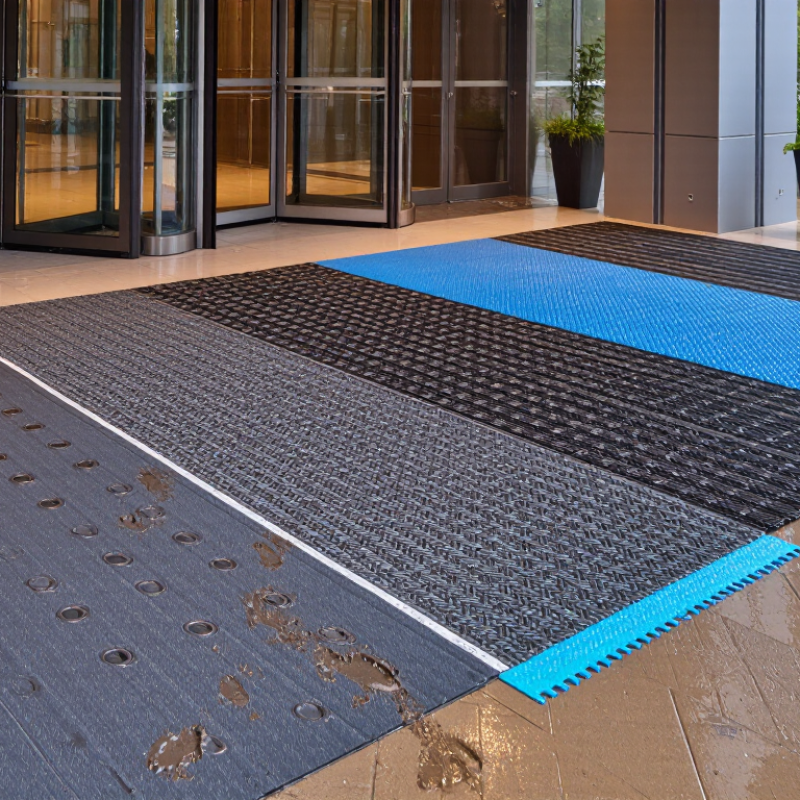
China Top Weatherproof Mats Manufacturers for Global Buyers?

What Are Weatherproof Mats and Why Do Global Buyers Need Them?

Weatherproof mats are protective floor coverings designed to resist rain, snow, mud, sand, oil, and temperature changes. They usually use rubber, thermoplastic elastomer, or coated textile layers. Raised edges hold water, while molded channels guide dirt away from shoes. This matters in family vehicles, delivery vans, farms, and coastal areas.

The World Meteorological Organization reported that 2023 was about 1.45°C above the pre-industrial average. More heat can intensify heavy rainfall, while dry periods increase dust and grit. Global buyers therefore need mats that remain flexible in cold weather and stable under strong sunlight. Weatherproof Car Floor Mats also reduce moisture reaching vehicle carpets, which may help limit odors, staining, and corrosion risks.

Market research reports often identify durability, easy cleaning, and accurate vehicle fit as key purchasing factors. These points sound simple. They are not. A mat may resist water but still curl at the corners. A deep pattern may trap debris instead of releasing it. Buyers should check material test results, edge height, slip resistance, and cleaning performance. Independent testing adds credibility, but test conditions rarely match every climate. That limitation deserves honest attention. One product cannot perform perfectly everywhere.

Weatherproof Mat Material Comparison for Global Buyers

Lower water absorption generally supports faster drying and better outdoor performance. The ranges shown are indicative typical values for unfilled material compounds based on ASTM D570-style water-absorption data; actual mat performance varies with fillers, backing layers, texture, drainage design, UV exposure, and manufacturing quality.

For global purchasing, buyers should evaluate water absorption together with UV resistance, operating temperature, slip resistance, drainage, and compliance requirements.

Key Materials and Features of China-Made Weatherproof Mats

China’s weatherproof mats often use TPE, PVC, rubber, or coated polyester. TPE offers flexibility in freezing conditions and resists water absorption. Rubber provides strong traction under wet shoes, while PVC supports economical, high-volume production. Material choice still depends on climate and usage.

Look for raised edges and molded channels. They guide rainwater, mud, and melted snow away from vehicle carpets. A textured surface can reduce slipping, but overly deep patterns may trap grit. UV resistance helps prevent cracking and fading near sunny windows. For Car Mats, check dimensional stability, odor control, and compatibility with factory fasteners. Reliable manufacturers should provide sample measurements and test evidence for abrasion, temperature cycling, and water resistance. Ask how they inspect thickness and edge sealing. Small production details matter.

Tips: Request samples before bulk orders. Bend the mat repeatedly, spray it with water, and test it on the vehicle floor. Check whether clips align without force. Ask for material data, inspection records, and packaging details. Some suppliers describe products as “all-weather” without defining performance limits. That wording needs careful questioning. A mat can look sturdy yet curl after heat exposure. No single material performs perfectly everywhere.

Main Types of Weatherproof Mats Available from Chinese Manufacturers

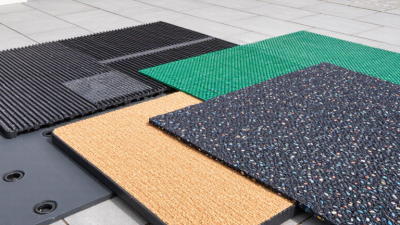
Chinese manufacturers offer several weatherproof mat types for global buyers. TPE and rubber mats suit vehicles because they resist water, oil, mud, and temperature changes. Suv Mats often use raised edges and molded channels, helping contain melting snow and roadside grit. PVC coil mats work well at building entrances, where open loops scrape dirt and drain rainwater. They feel practical under wet boots.

Polypropylene needle-punch mats provide lighter commercial flooring and faster drying. Coir mats create a natural, coarse surface, but prolonged moisture can shorten their service life. Rubber anti-fatigue mats support factories, kitchens, and loading areas. Their drainage holes reduce standing water, although poor hole design can trap debris. No material wins every test.

The China Association of Automobile Manufacturers reported 30.16 million vehicles produced in China during 2023, including strong export growth. That scale supports broad customization for vehicle interiors and outdoor applications. Grand View Research has estimated the global floor mats market will grow at roughly 5% annually through the decade. Buyers should request abrasion, water-absorption, slip-resistance, and accelerated-weathering data. ISO 4892-based testing can help evaluate sunlight and heat exposure, but laboratory results never perfectly copy a muddy winter road. Check edge curling, odor, backing adhesion, and drainage after repeated cleaning. A beautiful sample may still fail.

How China’s Top Weatherproof Mat Manufacturers Compare

China Top Weatherproof Mats Manufacturers for Global Buyers

How China’s Top Weatherproof Mat Manufacturers Compare

China’s leading weatherproof mat manufacturers differ in materials, testing, and production control. Some specialize in rubber mats for entrances, garages, and industrial areas. Others focus on PVC or polypropylene mats with lighter weight and faster drying. TPE products often provide flexible performance in changing temperatures. The right choice depends on traffic, moisture, sunlight, and cleaning methods.

Experienced buyers should compare more than catalog photos. Ask for samples, material specifications, slip-resistance data, and UV-aging results. Check whether the factory controls mixing, molding, trimming, and packaging internally. A site inspection can reveal uneven edges, weak drainage channels, or inconsistent surface patterns. These small defects become visible after repeated use. They matter.

Manufacturers also vary in customization ability. Some can adjust dimensions, colors, backing textures, and carton packaging for different markets. Others offer lower prices but limited tooling support. Production capacity deserves careful checking during seasonal demand. A factory may quote quickly, yet struggle with stable quality at larger volumes. I have found that clear drawings and physical approval samples reduce misunderstandings. Still, no supplier performs perfectly in every category. Even reliable factories may need improvement in communication, moisture testing, or final inspection records. Buyers should review corrective actions instead of accepting promises.

China Top Weatherproof Mats Manufacturers for Global Buyers? - How China’s Top Weatherproof Mat Manufacturers Compare

An anonymized comparison of common Chinese weatherproof mat manufacturing profiles and export capabilities

Manufacturer Profile Typical Mat Materials Main Product Structure Best-Fit Applications Weatherproof Performance Typical Temperature Range1 Common Sizes and Thicknesses Typical MOQ Typical Production Lead Time2 Customization Capability Common Export Documentation
PVC Coil-Mat Specialist Flexible PVC, phthalate-free PVC options, vinyl backing Open-loop or ribbed PVC coils with drainage channels Outdoor entrances, commercial buildings, wet areas, walkways Good water drainage and resistance to moisture; UV stability depends on additives and formulation Approximately -20°C to 60°C for typical outdoor grades Widths commonly 0.6–1.2 m; thicknesses about 8–16 mm; rolls or cut pieces About 100–500 pieces or one production lot Approximately 20–35 days after sample and artwork approval Color matching, logo labels, custom dimensions, edge finishing, packaging Commercial invoice, packing list, bill of lading, certificate of origin when requested
Rubber Entrance-Mat Specialist Natural rubber, synthetic rubber, nitrile rubber blends Molded rubber with drainage holes, scraper ribs or raised borders Heavy-traffic entrances, industrial facilities, garages, service areas High resistance to impact and abrasion; nitrile grades offer improved resistance to oils Approximately -30°C to 70°C, depending on rubber compound Common sizes 40 × 60 cm to 120 × 180 cm; thicknesses about 10–22 mm About 100–300 pieces per design or mold arrangement Approximately 30–45 days; new molds may require additional time Molded logos, custom patterns, compound selection, beveled edges, private packaging Material specification, inspection report, commercial invoice and packing list
Needle-Punched Polypropylene Specialist Polypropylene fibers, polyester blends, vinyl or rubber backing Dense needle-punched carpet surface with non-slip backing Covered entrances, offices, hotels, retail stores and public buildings Good soil retention and moisture tolerance; prolonged direct sunlight may fade unprotected fibers Approximately -10°C to 50°C for common backed constructions Widths commonly 0.9–2.0 m; thicknesses about 5–12 mm; rolls or tiles About 300–1,000 square meters Approximately 20–35 days for standard colors and constructions Fiber color, pile density, backing type, border design, cut-to-size service Fiber and backing specifications, packing list, invoice and origin documents
Rubber-Backed Coir-Mat Specialist Natural coconut coir fiber, PVC or rubber backing Tufted or woven coir surface bonded to a moisture-resistant backing Residential entrances, hospitality projects, decorative outdoor shelters Excellent scraping performance; natural coir is best protected from continuous standing water Approximately -10°C to 45°C under normal dry-use conditions Common thicknesses 15–25 mm; standard rectangular sizes and roll goods available About 200–500 pieces, depending on size and printing requirements Approximately 25–40 days Printed designs, custom borders, backing thickness, special dimensions and packaging Fiber content details, product inspection documents, invoice and packing list
Modular Drainage-Tile Specialist Flexible PVC, polypropylene, recycled rubber or mixed polymer compounds Interlocking tiles with raised drainage channels and replaceable sections Pool surrounds, locker rooms, kitchens, workshops and industrial floors Strong drainage and ventilation; performance depends on subfloor and compound selection Approximately -20°C to 60°C for common polymer formulations Typical modules 30 × 30 cm or 50 × 50 cm; thicknesses about 10–25 mm About 300–1,000 square meters Approximately 25–40 days Module dimensions, color combinations, edge ramps, drainage patterns and packaging Material declaration, dimensional inspection, invoice, packing list and origin documents

Notes:

1 Temperature figures are typical working ranges for commonly used materials, not universal guarantees. Buyers should request compound-specific test data.

2 Lead times vary according to order quantity, tooling, color, testing requirements, seasonal capacity and shipping arrangements.

The comparison uses anonymized manufacturing profiles rather than company or brand names. Actual specifications should be confirmed through samples, technical datasheets and pre-shipment inspection.

Quality Standards and Certifications for International Buyers

International buyers should evaluate Floor Mats through documented quality systems, not attractive samples alone. Reliable manufacturers should provide clear material specifications, dimensional tolerances, and production records. Common evidence includes ISO 9001 quality management certification and ISO 14001 environmental management certification. These certificates should show valid dates, audit scope, and the actual manufacturing location.

Safety testing must match the destination market and product application. Buyers may request slip-resistance results, abrasion testing, colorfastness data, and chemical compliance documents. Rubber, PVC, and recycled materials require different assessments. For European shipments, REACH and relevant product safety requirements may apply. Other markets may request local chemical declarations or fire-performance testing. An independent laboratory report is stronger than an unverified factory statement.

In practical inspections, check the mat’s backing, edge finish, odor, and surface recovery after repeated pressure. A warehouse sample can look excellent, while later batches show curling or uneven thickness. That risk deserves attention. Ask for batch numbers, inspection photos, packaging details, and traceability records before placing large orders. Certifications help, but they do not replace physical testing. This is where some buyers underestimate the work. A small trial shipment can reveal packaging damage, moisture exposure, or measurement errors before full production begins. Reliable communication matters too. Factories should explain failed tests openly and document corrective actions.

How to Select and Purchase a Reliable Chinese Manufacturer

Selecting a reliable Chinese weatherproof mat manufacturer requires evidence, not attractive catalogs. Grand View Research’s 2024 floor-coverings analysis values the global market near USD 400 billion and projects growth above 5% annually. This pressure encourages faster sourcing, but quality can suffer. Request factory registration, production photos, audit records, and recent export references. Verify the certification scope. An ISO 9001 certificate alone does not prove outdoor performance.

Ask for samples made from the same rubber, PVC, or recycled compound used in mass production. Test slip resistance, drainage, UV exposure, low-temperature cracking, odor, and dimensional stability. For entryways, pour water over the mat and inspect how quickly the surface clears. For heavy traffic, measure edge curling after repeated rolling. ASTM and EN test methods can support comparison, but the laboratory report must identify the exact product. I would not trust a polished sample room alone.

Purchase terms need equal attention. Confirm minimum order quantity, tolerance limits, packaging, replacement rules, inspection timing, and delivery responsibilities under the chosen Incoterm. The 2024 China manufacturing survey by the China Council for the Promotion of International Trade reported that rising production costs remain a significant business concern. Therefore, unusually low quotations deserve careful review. A pre-shipment inspection by an independent agency is sensible. Still, inspections can miss batch inconsistency, so retain sealed reference samples and require lot traceability. Small details matter.

China All-Weather Cargo Mats: Durable Waterproof Trunk Protection from Factory Suppliers

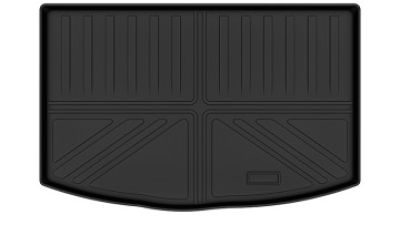
China All-Weather Cargo Mats offer durable, waterproof protection for trunks and cargo areas exposed to dirt, mud, road salt, rain, snow, and sand. The U.S. Federal Highway Administration reports that approximately 21% of annual vehicle crashes occur in adverse weather, highlighting the need for practical protection during wet and winter driving conditions. Deep-groove channels in these cargo mats help direct and trap liquid, while raised sidewalls create edge-to-edge coverage that reduces the risk of water and debris reaching the vehicle’s carpet.

Manufactured by experienced China factory suppliers, these trunk liners are typically produced from resilient, flexible materials designed to withstand repeated loading, temperature changes, and daily use. Their waterproof surface helps prevent stains caused by muddy footwear, leaking containers, or wet outdoor equipment, while the textured finish can help limit cargo movement. Industry testing standards such as ASTM material-performance methods commonly evaluate properties including tensile strength, flexibility, and resistance to environmental exposure—key considerations when selecting long-lasting vehicle accessories.

A precisely shaped cargo mat also supports easier cleaning: it can be removed, shaken out, or rinsed without complicated maintenance. By combining deep retention grooves, raised protective edges, and durable construction, these liners help keep luggage, tools, sports equipment, and groceries from scratching or staining the original trunk surface during year-round travel.

FAQS

What weatherproof mat materials are commonly available from Chinese manufacturers?

Common options include TPE, rubber, PVC coil, polypropylene, and coir. Each material handles moisture, traffic, and sunlight differently. No material wins every test.

Which mats work well inside vehicles?

TPE and rubber mats resist water, oil, mud, and temperature changes. Raised edges can contain melting snow and roadside grit. Fit still matters.

Why are PVC coil mats suitable for building entrances?

Their open loops scrape dirt from wet boots. They also allow rainwater to drain through the surface. Poor placement can still cause slipping.

Are polypropylene needle-punch mats useful for commercial flooring?

Yes, they offer lighter weight and faster drying. They suit areas needing frequent cleaning and quick reuse. They may feel less heavy-duty.

What are the strengths and weaknesses of coir mats?

Coir provides a coarse, natural surface that catches dirt. Prolonged moisture can shorten its service life. Dry storage helps.

Where are rubber anti-fatigue mats commonly used?

They support workers in factories, kitchens, and loading areas. Drainage holes can reduce standing water. Small holes may trap debris.

What testing information should buyers request?

Request abrasion, water-absorption, slip-resistance, and accelerated-weathering data. Sunlight testing based on ISO 4892 can help. Laboratory results are not road conditions.

How can buyers compare manufacturers beyond catalog photos?

Request physical samples, material specifications, and UV-aging results. Check molding, trimming, drainage, and packaging controls. Photos hide uneven edges.

What customization options may manufacturers provide?

Some manufacturers adjust dimensions, colors, backing textures, and carton packaging. Tooling support differs between factories. Cheap quotes can limit flexibility.

How can buyers reduce quality problems during large orders?

Use clear drawings and approve a physical sample before production. Inspect edge curling, odor, backing adhesion, and drainage. Promises alone are insufficient.

Conclusion

Weatherproof Mats are durable floor and surface protection products designed to perform in outdoor, humid, dusty, or frequently changing environments. Global buyers often choose them for entrances, commercial facilities, warehouses, vehicles, patios, and industrial areas where resistance to water, sunlight, dirt, abrasion, and temperature changes is essential. Chinese manufacturers commonly produce these mats using materials such as rubber, PVC, polypropylene, polyester, and recycled compounds, combining practical features like anti-slip surfaces, drainage patterns, easy cleaning, flexible sizing, and customized colors or logos.

China offers a wide range of Weatherproof Mats, including entrance mats, outdoor scraper mats, drainage mats, rubber tiles, anti-fatigue mats, and vehicle or industrial mats. When comparing suppliers, buyers should assess material consistency, production capacity, customization services, testing procedures, packaging, and delivery reliability. International purchasers should also request relevant quality documents, factory inspection records, and certifications applicable to their target market. A reliable purchasing process includes confirming specifications, samples, minimum order quantities, lead times, warranty terms, and after-sales communication before placing a formal order.
Alexander

Alexander

Alexander is a dedicated marketing professional with a profound expertise in automotive accessories, particularly in custom vehicle mats. His deep understanding of advanced 3D scanning technology and precision custom molding processes allows him to effectively communicate the unique advantages of......
Previous 10 Car Accessories Buying Tips for Global Buyers