Walt
Linyi Walt International Trade Co., Ltd.
Our extensive product range covers over 2,000 vehicle models

Leave Your Message
Our extensive product range covers over 2,000 vehicle models
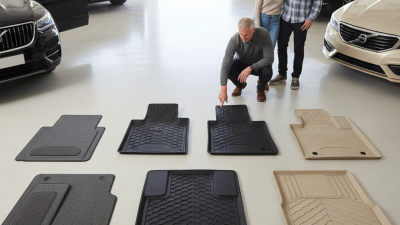
Picking out the best Car Rug Floor Mats from around the world isn’t just about comparing colors or prices—there’s a lot more to it. It really depends on your driving conditions, your vehicle, and how you usually take care of the floors. For example, a mat that works great in a dry city might not cut it in snowy or rainy places. Climate definitely plays a role here.
Experienced drivers tend to notice the little things first. For instance, raised edges are good at containing water, mud, and loose gravel—small details that can make a big difference. A dense carpet might feel comfy underfoot, but beware—if it traps moisture, that can be a problem. Rubber-backed mats usually resist spills better, though some folks find them less stylish. The key is to pick something that fits your vehicle's floor shape, pedal clearance, and fastening points—so always double-check those measurements before you buy. Online pics can be deceiving sometimes.
When it comes to quality, look for real info—clear descriptions of the materials, care tips, warranty info, and customer reviews that seem legit. If you see independent testing results, even better—they can tell you about wear resistance, odor control, edge stability, and how easy they are to clean. Beware of over-the-top claims too—no one’s perfect, and no mat fits everyone perfectly. That’s just the reality.
And don't forget, after installing your mats, give the underside a quick check. It should stay flat and stay in place during normal driving. Recheck it after you clean your car—it’s common for moisture or bending to shift things around. Some recommendations might look good on paper but fall short in real life. Hearing from actual users can be super helpful, but it’s also wise to compare insights from pros and long-term owners to make a smarter choice. Basically, the best Car Rug Floor Mats strike a good balance between protection, comfort, looks, ease of maintenance, and a secure fit. Those tiny details really do matter.
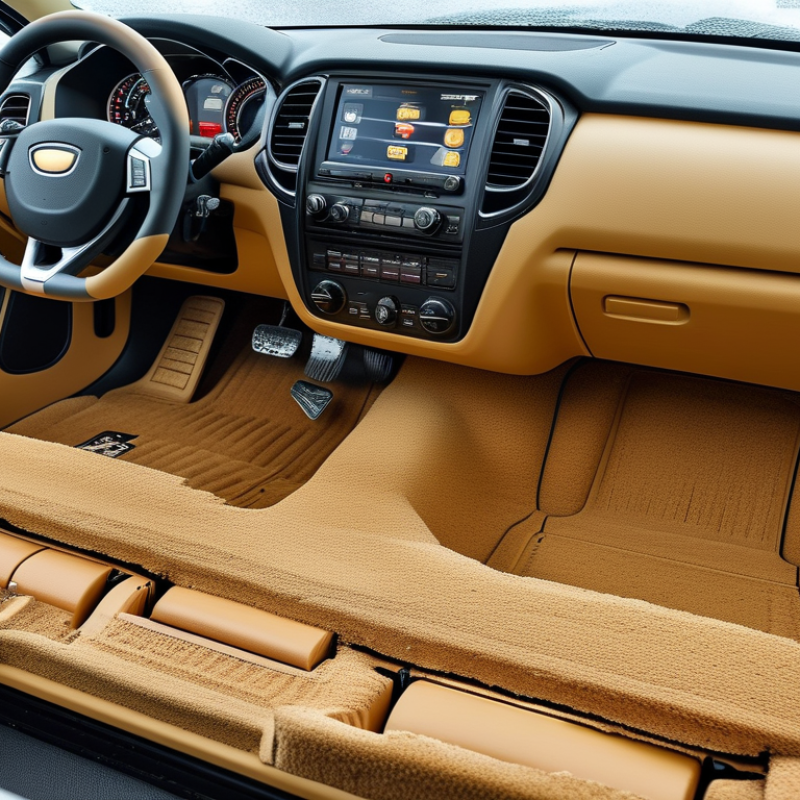
Choosing the right Car Mat Rug starts with understanding its material and purpose. Carpet mats feel warm underfoot and reduce road noise. They suit dry climates and drivers who value a softer interior. However, fabric holds sand and moisture, especially after rainy trips. Rubber mats resist water, mud, and spilled drinks. Their raised edges help contain liquid before it reaches the vehicle carpet. Thermoplastic mats offer similar protection but usually feel lighter and more rigid.
Each type performs a different core function. Carpet mainly provides comfort, insulation, and cabin appearance. Rubber focuses on drainage and fast cleaning. A molded all-weather mat protects the footwell during snow, beach visits, or gardening work. Fit matters as much as material. I check whether the mat follows the floor shape and leaves pedal movement clear. Retention clips are essential because a sliding mat can interfere with driving controls.
In daily use, I look for a textured surface that grips shoes without trapping too much grit. Deep channels are useful, but they can make cleaning awkward. A washable fabric mat may dry slowly after one careless rinse. I learned that lesson after storing one while it was still damp. Odor resistance also deserves attention, especially in hot vehicles. No mat is perfect. Drivers should match protection, comfort, cleaning habits, and local weather rather than choosing by appearance alone.
The global automotive floor mats market is moving toward durable, customized, and easy-to-clean solutions. Grand View Research identifies rising vehicle ownership, increasing demand for interior protection, and stronger consumer interest in premium accessories as key market drivers. IMARC’s market analysis likewise highlights the expansion of automotive aftermarket products, with weather resistance, precise fit, and long service life becoming important purchasing factors. These trends support the growing demand for factory-direct TPE car floor mats that combine practical performance with competitive pricing.
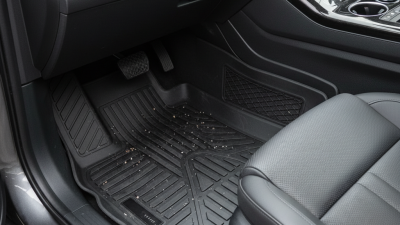
Made from high-density thermoplastic elastomer, our all-weather mats are designed to protect vehicle interiors from rain, snow, mud, spills, road salt, and UV exposure. A raised edge and molded channels help contain moisture and debris, while the flexible structure allows convenient removal and cleaning. With performance across temperatures from -40°F to 176°F, the mats remain suitable for cold winters, hot summers, and changing climates. As a China-based manufacturer, we support wholesale and private-label sourcing with consistent production standards, vehicle-specific fitting, and reliable supply capacity for distributors, retailers, and automotive accessory suppliers.
: Carpet mats feel softer and reduce road noise. They suit dry conditions and comfort-focused drivers. Rubber mats resist water, mud, and drink spills. Thermoplastic mats feel lighter and more rigid.
Molded rubber or all-weather mats usually offer stronger protection. Raised edges hold rainwater, mud, and melted snow. They are easier to remove and clean. Deep channels can still trap dirt.
A loose mat may slide toward the pedals. Retention clips help keep it fixed. Leave clear space around every pedal. Small gaps deserve attention.
Move each seat through its normal range before measuring. Use a flexible tape measure for curved areas. Measure front and rear sections separately. Include the center tunnel and door sill.
No. Interior floors may differ by market, trim level, and production year. A model name is not enough. Check the actual floor.
Press paper into the floor corners and mark every curve. Compare the template with your measurements. Photograph the bare floor first. My early template missed the accelerator area.
Keep at least two centimeters around pedals and moving seat parts. Test both forward and rearward seat positions. Do not allow folding. That mistake can affect control access.
Textured surfaces can improve shoe grip. Deep channels contain water and grit. However, they may make cleaning awkward. More protection is not always better.
Washable fabric mats need complete drying before storage. Damp fabric may develop unpleasant odors in a hot vehicle. I learned this the hard way. Check dryness twice.
Match the mat to local weather, cleaning habits, and daily use. Carpet suits dry climates and quieter cabins. Rubber favors wet or dirty conditions. No mat is perfect.
Choosing the best Car Rug Floor Mats worldwide requires more than selecting an attractive design. Drivers should first understand the differences between carpet, rubber, thermoplastic, and hybrid mats, then match each material to the local climate, driving habits, and vehicle use. Waterproof options may suit rainy regions, while carpeted mats can offer comfort and style in dry environments. Accurate floor measurements are also essential to ensure complete coverage without interfering with seat movement or vehicle controls.
Safety and long-term value should guide the final decision. Look for strong traction, secure fasteners, raised edges, and sufficient pedal clearance to help prevent shifting during driving. Consider how easily the mats can be removed, washed, dried, and maintained, as well as their resistance to stains, odors, cracking, and wear. Buyers should also confirm vehicle compatibility, review material and environmental standards, and check whether replacement or shipping options are available in their region. A well-chosen set combines practical protection, reliable fit, easy maintenance, and suitability for everyday conditions.