Walt
Linyi Walt International Trade Co., Ltd.

Our extensive product range covers over 2,000 vehicle models

Leave Your Message
0%

Picking the perfect floor trunk mats? It’s not about staring at product photos. It’s about your car. Seriously, trunk shapes differ, even across model years. So first, know your exact make, model, and year. Then, compare that with the mat’s fitment info. If you’re still unsure, just grab a tape measure and check the cargo floor. Even a couple of centimeters can be a big deal near the wheel wells or rear seat.

And let's not forget about the material – that's a big one. If you're dealing with wet boots, groceries, or muddy gear all the time, rubber or thermoplastic mats are probably your best friend. They're super practical. But hey, if you've got a nice, finished interior and want everything to look sharp, carpeted mats might be more your style. Just make sure whatever you pick has raised edges to catch spills, a surface you can wipe down easily, and it sits securely without getting in the way of your cargo. Honestly, it's the little things that make all the difference.

Honestly, no mat is perfect. You'll find that some textured surfaces just love to trap grit, while others get super slippery when they're wet. Think about how you actually use your trunk – if you're hauling a stroller, sports gear, or a leaky garden bag (we've all been there), that's going to demand different things from a mat. Before you buy, check the cleaning instructions and whether it'll work with your car's existing cargo features. And whenever you can, read what owners say in their reviews, not just the spec sheet – don't rely on looks alone. Because a photo never shows how the mat fits around every corner, you know?

So here's the deal: before you make a choice, you need to compare fit, material, coverage, and how much maintenance you can handle. The guide also mentions some trade-offs that are worth thinking twice about. And honestly, the best option isn't automatically the thickest or priciest one—it's the one that actually fits your routine and your vehicle, no more, no less.
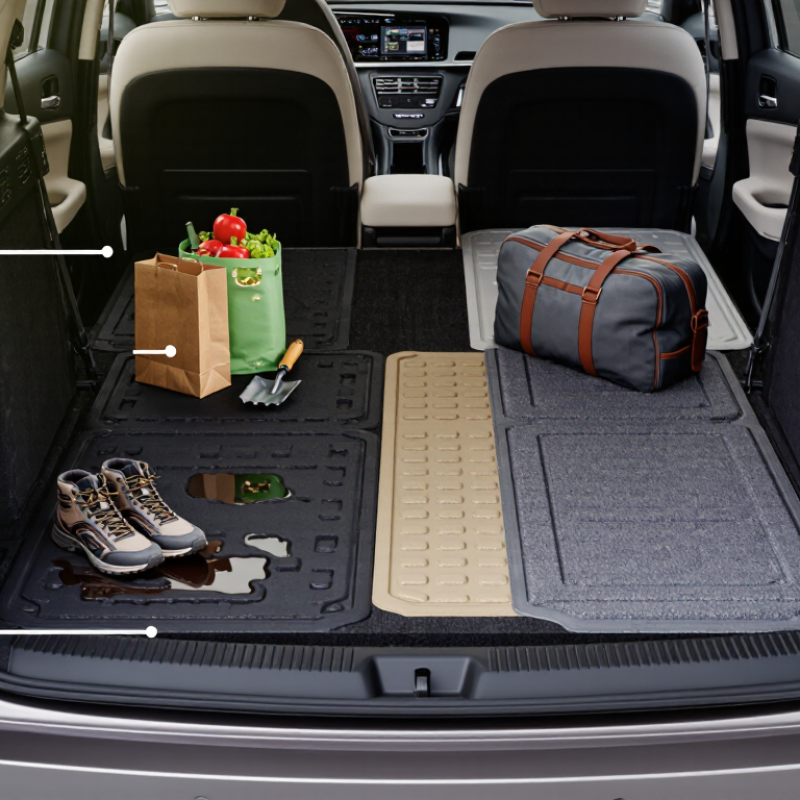
How to Choose the Best Floor Trunk Mats?

Understanding Floor Trunk Mats and Their Purpose

Floor trunk mats sit between everyday mess and a vehicle’s original cargo-area lining. Their purpose is practical: catch grit, water, pet hair, and spills before they settle into carpet fibers or seams. A wet stroller wheel can leave a dark track; loose gravel may work into the corners. A removable, correctly fitted mat makes cleanup easier, though it cannot prevent every stain or scratch.

Material and shape matter. Rubber-like mats often suit muddy gear and damp sports equipment, while carpeted liners can look closer to the cabin’s finish but may need more careful drying. Raised edges help contain small spills, and a non-slip underside can reduce shifting. Check that the mat fits the trunk without blocking access panels or folding-seat mechanisms. Small details count. S&P Global Mobility reported that the average age of U.S. light vehicles reached 12.6 years in 2024, making routine interior protection relevant over a long ownership period. Car Floor Trunk Mats are not a substitute for cleaning; trapped moisture can still cause odor or discoloration. I would check beneath the mat after rain, even when the top looks dry. That extra check is easy to forget.

Identifying Your Vehicle’s Cargo-Area Requirements

Your cargo area’s shape matters as much as its size. Think about what you actually carry: muddy boots, grocery bags, a folded stroller, or a dog’s travel crate. Start by measuring the flat floor, then note the raised edges, wheel wells, and seatback angle. Measure twice. Check the trunk with the rear seats both upright and folded, if you use both configurations.

Small details matter. Identify where the spare tire, storage compartments, tie-down loops, and seat-release handles sit. A mat should not block access or bunch beneath a moving seat. Consider how often spills or grit are likely: a low edge may suit light daily use, while deeper channels can help contain melting snow or damp soil. Car Trunk Floor Mats should match the cargo area’s contours, not just its advertised length and width.

It is easy to assume the trunk floor is rectangular, but wheel wells often steal useful space. Compare your measurements with the mat’s actual coverage diagram, and leave room for accessible latches. Measurements can be imperfect, especially around curved trim; recheck before ordering. A snug fit is useful, but a mat that curls upward can catch bags or make loading awkward.

How to Choose the Best Floor Trunk Mats? - Identifying Your Vehicle’s Cargo-Area Requirements

Cargo-Area Requirement What to Check Mat Feature to Prioritize Why It Matters
Exact floor shape Measure the cargo floor’s length and width at several points; note wheel wells, side trim, and irregular corners. Vehicle-specific fit or a clearly stated, compatible size A close fit helps cover the floor without obstructing nearby trim or leaving large exposed areas.
Seat-folding configuration Check whether the rear seats fold, whether the cargo floor changes height, and whether the mat must work in more than one configuration. A compatible split, foldable, or multi-piece design The mat should not interfere with seat movement or leave uncovered gaps when the cargo layout changes.
Cargo-use pattern Consider whether the area usually carries groceries, luggage, sports gear, pets, gardening supplies, or work equipment. A surface suited to the expected load, with a raised edge for spills if needed Different loads create different needs for grip, spill containment, and ease of cleaning.
Wet or muddy cargo Assess exposure to rain, snow, mud, wet footwear, or damp equipment. Water-resistant material, a raised perimeter, and a surface that can be rinsed or wiped Containment and easy cleanup can help keep moisture and dirt off the cargo-area carpet.
Heavy or shifting items Check whether loads may slide during normal driving and whether the vehicle has cargo tie-down points. A stable, non-slip underside that does not cover tie-downs A mat can help reduce unwanted movement, but it does not replace proper cargo restraints.
Access to storage and equipment Locate underfloor storage, a spare tire, battery access, release handles, and any removable floor panels. A design with suitable access points or sections that lift easily Correct access helps prevent routine maintenance or storage from becoming inconvenient.
Cleaning and storage needs Consider how often the mat will be removed, cleaned, or stored outside the vehicle. Manageable weight, easy-care material, and a shape that is simple to lift out A practical mat is easier to maintain when its cleaning routine suits everyday use.
Vehicle-specific details Confirm the vehicle’s model year, body style, trim, and cargo-floor configuration before ordering. Fit information that matches the vehicle’s exact configuration Cargo-area dimensions and floor features can differ between vehicle versions and model years.

Before buying, compare the mat’s listed fit details with your vehicle’s cargo-area measurements and check that it does not obstruct seat operation, storage access, or cargo tie-downs.

Comparing Mat Materials and Construction

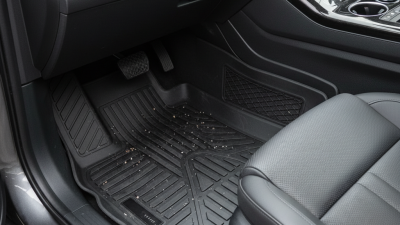
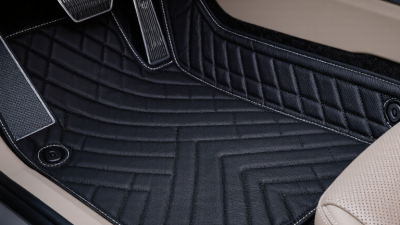
Floor trunk mats are commonly made from rubber, thermoplastic, or carpet, and each handles mess differently. Rubber resists water and muddy shoes, while a textured surface can help keep groceries from sliding. Thermoplastic mats are often lighter and shaped with channels to guide spills away from the carpet. Carpeted mats look closer to the vehicle’s interior, but they can hold grit and take longer to dry after a leak. Small details matter. Material labels alone do not tell you how stiff a mat feels in cold weather or whether its surface will wear smooth.

Construction affects fit and cleanup as much as material. A vehicle-specific mat should follow the trunk’s contours, including around wheel wells and seat backs. Raised edges can contain small spills, but very tall edges may make loading bulky items awkward. Check that the mat lies flat and does not block access to storage compartments or moving seats. A flexible backing may be easier to lift for cleaning; a rigid, molded design can hold its shape better under heavy bags. Neither is perfect. Even a well-made mat may shift if its underside is slick, so check for secure contact points and compare measurements with your cargo area. I would not choose by appearance alone; a close fit is useful, but real cargo habits matter more.

Checking Fit, Coverage, and Compatibility

How to Choose the Best Floor Trunk Mats?
Checking Fit, Coverage, and Compatibility

A trunk mat should match the cargo floor, not merely the vehicle’s general size. Measure the narrowest width, deepest usable length, and raised edges around the wheel wells. Check the space beneath the cargo floor, too; a mat that covers a storage compartment can make access awkward. SAE International’s J1100 standard defines common vehicle dimension reference points, but it does not confirm that a particular mat fits a specific model year or trim. That detail matters. Even similar-looking cargo areas can differ.

SEMA’s 2024 market report estimated U.S. specialty-equipment sales at $52.3 billion in 2023. This broad figure is not specific to Trunk Mats, but it reflects a large aftermarket where product descriptions can vary. Compare listed vehicle compatibility with your year, body style, and floor configuration. Look for coverage around the rear seatbacks and side walls, not just the flat center. A small gap may seem harmless until grit gathers there. I have found measurements more useful than photos, though they still cannot capture every contour.

Tips: Measure with the seats in your usual position. Check whether the mat blocks tie-downs, spare-tire access, or a movable cargo floor. If unsure, compare the seller’s fitment chart with your vehicle manual. A paper template helps. Take your time; I have missed a raised lip before.

Evaluating Traction, Durability, and Ease of Cleaning

When comparing Tpe Trunk Mats, test traction with wet shoes and a damp grocery bag, not just a fingertip. Look for a textured surface and raised edges that contain melting snow or spills. ASTM D1894 measures static and kinetic friction for plastic sheeting, but it is only a screening reference: a lab result may not predict grip in a shaped, dusty trunk. Ask for the test conditions and figures. Try it wet.

Durability claims need measurable evidence. ISO 4649 assesses rubber and thermoplastic rubber abrasion by reporting volume loss in cubic millimetres; lower loss generally indicates better abrasion resistance under that test. It does not prove a mat will resist every scrape from a stroller wheel or a sharp-edged tool. Check whether the report names the material, test method, and sample thickness. For cleaning, choose a one-piece surface with few deep grooves; dried mud tends to hide in them. A quick rinse should remove ordinary grit, while oily residue may need mild soap. I would still check the care instructions before using a strong cleaner. Lab figures help, but real trunk use is messier than a test bench.

Balancing Price, Warranty, and Overall Value

How to Choose the Best Floor Trunk Mats?
Balancing Price, Warranty, and Overall Value

A low price can look appealing, but the cheapest trunk mat may not stay flat or contain spills well. Check the material, thickness, and raised edges before comparing prices. A rubber-like surface can be practical for muddy shoes, while a lighter mat may be easier to lift and clean. Fit matters, too. Gaps around the edges can let grit collect beneath the mat.

Read warranty terms with care. Look for the coverage period, exclusions, and steps required to make a claim. A long warranty is useful only if it covers realistic problems, such as cracking or separation under normal use. Some warranties exclude wear from heavy cargo, and that detail is easy to miss. Keep the receipt and review care instructions; harsh cleaners may affect some materials.

Consider the cost over time, not just the checkout price. A mat that costs more but cleans easily and holds its shape may offer better value after years of regular use. Still, a higher price does not guarantee better performance. Measure the cargo area, check return terms, and compare the warranty against how you use your vehicle. One limitation remains: product descriptions cannot show exactly how a mat will feel under your own cargo.

How to Choose the Best Floor Trunk Mats? — Balancing Price, Warranty, and Overall Value

How to use this chart: This suggested scoring model gives price the greatest weight while also accounting for fit, warranty, and durability. It is a decision-making guide, not market survey data. Score each mat against these criteria, then compare the weighted results to judge overall value.

A Practical Guide to Waterproof Universal Car Floor Mats: Durable Comfort and Easy Cleaning

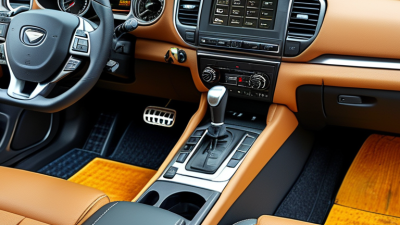
A practical car floor mat should protect the cabin while making everyday driving more comfortable. Made from soft, durable materials, this universal mat offers a cushioned surface that can help reduce foot fatigue on long journeys. Its water-resistant design helps guard the original flooring against moisture, dirt, and minor spills, making it a useful choice for changing weather and busy daily routines. A simple shape and straightforward installation make it easy to position, while the secure fit helps keep it in place during use.

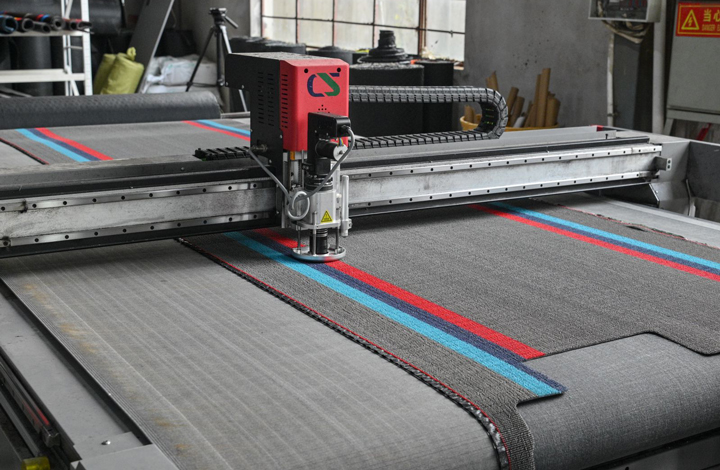
Keeping the mat clean is uncomplicated: shake off loose debris, vacuum the surface, or wipe it with a damp cloth as needed. This low-maintenance design helps the interior stay tidy without demanding special care. A variety of color options also makes it easier to coordinate the mat with your vehicle’s interior, adding a personal touch alongside practical protection. Produced by experienced suppliers in China and made in a quality-focused factory, it is designed to provide lasting comfort, dependable everyday use, and easy upkeep.

FAQS

How should I measure a trunk mat for a proper fit?

Measure the narrowest width and deepest usable length. Include raised edges near the wheel wells. Small gaps matter.

Do vehicle dimensions alone confirm compatibility?

No. Check the mat’s fitment details against your vehicle’s year, body style, and cargo-floor layout. Similar-looking trunks can differ.

What areas should a trunk mat cover?

Check coverage near the rear seatbacks and side walls, not only the flat center. I once missed a raised lip.

Can a trunk mat interfere with storage or cargo features?

It can. Check access to underfloor storage, tie-downs, the spare tire, and any movable cargo floor.

How can I check whether a mat has enough traction?

Try it with wet shoes and a damp grocery bag. A textured surface may help, but fingertip tests can mislead.

What do raised edges help contain?

They can hold melting snow and small spills. They are useful, though they may not catch every mess.

How should I assess durability claims?

Look for test results that identify the material, method, and sample thickness. Lab figures help, but real use varies.

Which surface is easiest to clean?

A one-piece surface with few deep grooves is usually simpler to rinse. Dried mud can hide in deep channels. Use mild soap for oily residue, and check care instructions before using stronger cleaners.

Conclusion

Choosing the best Floor Trunk Mats starts with understanding how you use your vehicle’s cargo area. Consider what you carry, how often you load and unload items, and whether the space is exposed to mud, spills, or heavy wear. These needs can help you decide whether a flexible or rigid mat, and which material and construction, will offer the right balance of protection and practicality.

Before buying, check that the mat fits your vehicle and covers the areas most likely to get dirty or damaged. A secure, well-shaped surface can help limit shifting, while durable, easy-to-clean materials make routine care simpler. Compare traction, expected lifespan, warranty terms, and price rather than judging value by cost alone. The right choice is one that suits your cargo-area requirements, provides reliable coverage, and remains convenient to maintain over time.

Alexander

Alexander

Alexander is a dedicated marketing professional with a profound expertise in automotive accessories, particularly in custom vehicle mats. His deep understanding of advanced 3D scanning technology and precision custom molding processes allows him to effectively communicate the unique advantages of......
Previous China Top Weatherproof Mats Manufacturers for Global Buyers?