Our extensive product range covers over 2,000 vehicle models

So, choosing the right Weatherproof Mats can do a lot—it helps keep outdoor floors safe from rain, grit, mud, and all that constant foot traffic. But here’s the catch: “weatherproof” doesn’t automatically mean every mat works great everywhere. A covered porch? It needs something different from a pool entrance, a garden path, or a busy commercial doorway.
Daniel Harper, an outdoor flooring specialist at SurfaceShield Products, puts it simply: “A reliable outdoor mat must move water away, stay stable, and remain easy to clean.” That down-to-earth advice is basically what shapes this guide. We’ll look at rubber, polypropylene, coir, PVC, and recycled materials. We’ll also dig into drainage holes, UV resistance, slip control, backing design, and edge construction.
And honestly? Small details matter.
A thick mat might feel tough, but it can trap moisture underneath. A lightweight one might dry fast, yet wind can send it sliding across smooth concrete. Coir scrapes really well, though it can shed fibers and hold onto moisture longer than you’d expect. Rubber usually grips nicely, but some formulas may fade or start smelling under intense heat.
The best pick really depends on where it goes, how much weather it faces, how often you clean it, and the daily traffic. It also depends on what your surface can safely support. That’s where recommendations get a little murky. Product labels tend to sound universal, but real outdoor conditions? Not so much. A shaded balcony and an uncovered restaurant entrance shouldn’t get the same solution.
With those limits in mind, this article compares leading Weatherproof Mats. It’s focused on useful performance, not overblown claims—so you can make a more confident, realistic purchase.
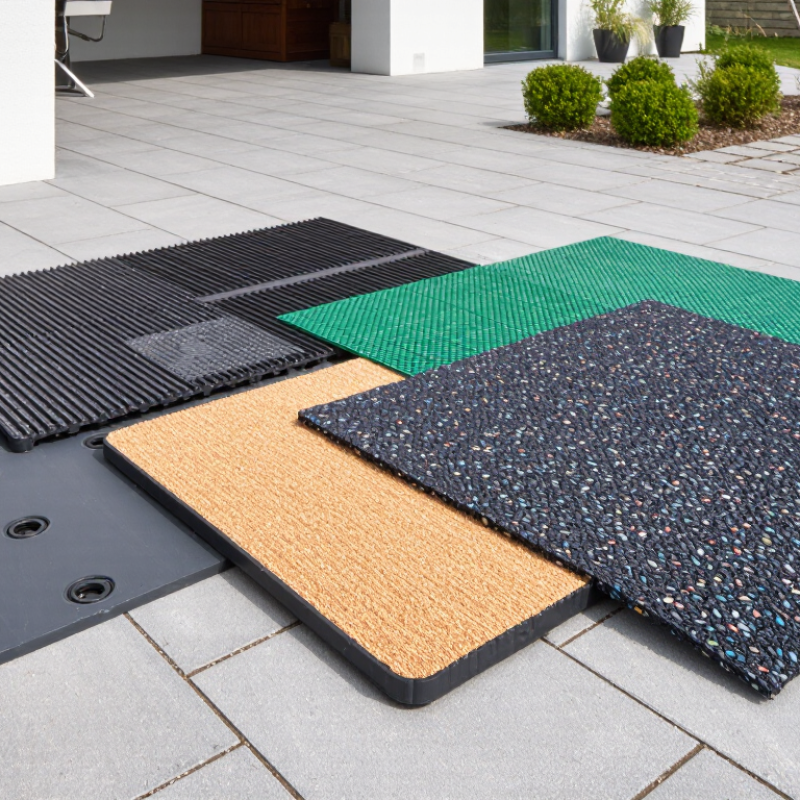
Outdoor spaces face rain, mud, sunlight, and sudden temperature changes. The best weatherproof mat depends on traffic, flooring, and drainage needs. Molded rubber mats suit entryways, patios, and workshop doors. Their raised patterns trap grit, while channels guide water away. PVC mats feel lighter and often cost less, but some become stiff in cold weather. I have found that texture matters more than appearance after several wet weeks. A beautiful mat can still slide on smooth tile.
Polypropylene outdoor mats resist fading and dry faster than many absorbent fabrics. They work well beneath patio furniture or near sliding doors. Perforated rubber drainage mats let water pass through, making them useful beside pools or outdoor showers. Natural-fiber mats may look welcoming, yet they need better shelter from prolonged rain. Weatherproof Car Floor Mats can protect vehicle interiors, but they are not automatically suitable for patios. Their edges may curl on uneven ground. I still misjudge this sometimes.
Tips: Measure the doorway first. Leave space for the door swing. Choose a textured underside for smooth flooring. Shake loose dirt away weekly, then rinse the mat with clean water. Let it dry fully before placing it back. Check the care instructions, especially after strong sunlight or freezing temperatures. If the mat shifts during a simple foot test, use a compatible outdoor underlay.
What Are the Best Weatherproof Mats for Outdoor Use?
Outdoor mats must handle rain, sunlight, dirt, and repeated foot traffic. In my experience, material choice matters more than appearance. Rubber mats resist moisture well and stay stable on concrete or decking. However, dark rubber can become hot under direct summer sunlight. Polypropylene dries quickly, resists fading, and is easier to clean after muddy weather. Natural coir offers strong scraping performance, but it may absorb water and deteriorate faster in damp conditions.
Look for raised textures, drainage holes, and beveled edges. These features help water escape and reduce tripping risks. A low-profile design also prevents doors from catching. For covered entrances, a dense pile can trap fine dust effectively. Fully exposed areas need stronger UV resistance and a non-slip underside. The construction resembles the practical thinking used with Car Mats: grip, drainage, and easy maintenance matter every day. Still, no outdoor mat stays perfect forever. I once chose a thick mat that looked durable, but it held water underneath after heavy rain.
Tips: Check the backing before buying. It should grip without leaving stains on the floor. Lift the mat weekly, sweep beneath it, and let both surfaces dry. During freezing weather, avoid folding stiff rubber, because repeated bending may create cracks. A test with a garden hose can reveal poor drainage before installation. Don’t rely only on “weatherproof” wording; inspect the edges, seams, and underside carefully.
| Mat Material or Construction | Water Resistance and Drainage | UV and Weather Resistance | Traction and Safety | Cleaning and Maintenance | Best Outdoor Use | Important Limitations |
|---|---|---|---|---|---|---|
| Rubber with drainage holes | Highly water-resistant; open holes allow rain and meltwater to pass through instead of pooling. | Excellent | Strong grip and good resistance to movement on many hard surfaces; textured surfaces improve traction. | Shake, sweep, or rinse with water. Allow the underside and floor beneath to dry periodically. | Doorways, porches, patios, and areas exposed to heavy rain or snow. | Can become hot in direct sunlight; rubber may have a noticeable odor when new and can mark some light-colored floors. |
| Vinyl or PVC loop mat | Resists water and helps scrape moisture from footwear; drainage depends on the backing and floor surface. | Good | Looped or ribbed textures provide moderate scraping and traction. | Vacuum or shake out debris; rinse when necessary. Avoid prolonged contact with standing water if the backing is non-perforated. | Covered entrances, balconies, utility rooms, and moderately exposed walkways. | May crack or become brittle after prolonged exposure to intense sunlight or severe cold, depending on formulation. |
| Polypropylene with perforated backing | Fibers resist moisture and a perforated backing permits water to drain through efficiently. | Very good | Textured fibers remove dirt while a stable backing helps reduce sliding. | Vacuum, shake, or hose down. Dry thoroughly to reduce odor and mildew risk. | Covered or partially exposed entrances where dirt and moisture removal are priorities. | Usually less effective than coarse rubber for scraping heavy mud; drainage performance depends on the supporting surface. |
| Coir fiber with weather-resistant backing | Natural fibers absorb and scrape moisture, but the mat should be protected from continuous saturation. | Fair to good | Coarse fibers provide effective scraping and can improve footing when kept relatively dry. | Shake or brush regularly. Do not soak routinely; ensure airflow underneath and avoid trapping moisture against wood. | Sheltered porches and covered entryways with moderate exposure. | Can shed fibers, retain moisture, and deteriorate faster in persistent rain or damp shade. |
| Recycled tire rubber tiles or heavy-duty rubber | Low water absorption; interlocking or perforated designs improve drainage. | Excellent | Very stable and slip-resistant when the surface is clean and properly installed. | Sweep or pressure-rinse at a suitable distance; inspect seams and edges for trapped debris. | Outdoor work areas, play spaces, garages, ramps, and high-traffic locations. | Heavy and difficult to reposition; may retain heat and can release odor during initial outdoor exposure. |
| Woven polypropylene or polyethylene | Low moisture absorption; woven construction dries relatively quickly when air can circulate underneath. | Very good | Moderate traction; a textured weave and anti-slip underside improve stability. | Shake, sweep, or hose clean. Store dry when unused for extended periods. | Camping areas, patios, balconies, outdoor kitchens, and temporary floor protection. | Lightweight versions may curl or move in strong wind; fine woven surfaces may not scrape heavy mud effectively. |
| Aluminum scraper mat with rubber inserts | Open construction provides excellent drainage and keeps water away from the walking surface. | Excellent | Rigid scraper bars remove grit effectively; rubber inserts can add cushioning and grip. | Lift or roll carefully to remove debris; rinse channels and check that the mat remains level. | High-traffic entrances, commercial-style porches, and areas with frequent mud or grit. | Higher cost and weight; metal edges must be properly finished and the mat should not rock underfoot. |
| Natural rubber-backed cotton or microfiber blend | Surface fibers absorb moisture, while the rubber backing helps protect the floor; it is not designed for standing water. | Fair | Comfortable underfoot with moderate traction when the backing is clean and dry. | Vacuum or machine-wash only if the care instructions allow it; dry completely before reuse. | Covered porches and sheltered entryways where absorbency matters more than drainage. | Can retain water, develop odor, or support mildew if left wet; unsuitable for fully exposed locations. |
Choosing the right outdoor mat starts with the environment, not the pattern. A covered porch needs a low-profile mat that catches dust and dries quickly. Look for raised grooves, open drainage, and a firm backing. These features help rain escape instead of trapping moisture beneath the mat.
For exposed entrances, choose rubber or tightly woven synthetic fibers. They resist rain, sunlight, and repeated foot traffic better than natural fibers. In snowy areas, deep channels can hold grit and melted ice. However, check the backing regularly. Salt and moisture may collect underneath. A textured surface also improves traction, but excessive texture can make sweeping difficult.
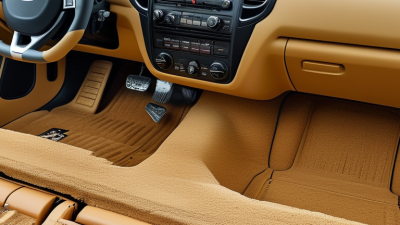
Poolside spaces require fast drainage and resistance to chlorine. A breathable, non-absorbent mat is usually more practical there. On patios, UV resistance matters because constant sunlight can fade and weaken materials. For vehicle use, Suv Mats should have raised edges and a secure fit. They can contain wet shoes, soil, and small spills during outdoor trips.
I once selected a thick mat for a rainy doorway, assuming heavier meant better. It stayed damp for days. That mistake changed my approach. Thickness matters less than ventilation, drainage, and easy cleaning. I now lift each mat after heavy rain and inspect the floor below. Small details often reveal whether a mat truly suits its setting.
Choosing an outdoor mat starts with the doorway, not the product label. Measure the clear floor area, then allow several inches for door swing and foot traffic. A mat that is too small leaves wet footprints beside it. A very large mat can buckle against a threshold. For a covered porch, a rectangular mat usually aligns neatly with the door. Curved entries may need a half-round shape. Irregular spaces deserve a custom-cut option, but uneven edges can collect mud.
Surface texture controls cleaning and grip. Raised ribs scrape grit from shoe soles, while looped fibers hold moisture and fine dust. For rainy entrances, choose open grooves that let water escape instead of pooling underneath. A coarse texture works well outdoors, yet it may feel uncomfortable under bare feet. I once used a deeply ridged mat beside a pool; it cleaned shoes effectively but trapped leaves after windy days. That mistake changed my preference for medium-depth patterns.
Check the backing for drainage holes and a stable, non-marking finish. Rubber-like backing can reduce movement, but it may stain porous stone when moisture remains trapped. Lift the mat weekly during wet weather and inspect the floor below. Sun exposure also matters: dark surfaces can become hot, and some fibers fade sooner than expected. I would test a small area before committing. Traffic, rainfall, and cleaning habits should guide the choice.
Larger mats provide more coverage and help capture dirt and moisture across wider entrances. A 45 × 75 cm mat suits narrow doors, while 90 × 150 cm or 120 × 180 cm formats are better for patios, double doors, and high-traffic entrances. Choose ribbed or scraper textures for removing dirt, raised drainage textures for wet locations, and low-profile loop surfaces where door clearance is limited.
Safety comes first. A reliable outdoor mat should remain stable on wet, uneven surfaces. Look for a textured top that improves grip without trapping excessive water. Raised patterns can help, but deep grooves may catch small stones and create trip hazards. The mat should also lie flat, with firm edges that resist curling after temperature changes. It should not slide when someone steps on it.
Drainage is equally important. Choose an open-grid or perforated design that lets rain pass through quickly. Dense fabrics can hold moisture against a porch, deck, or concrete floor. That damp layer may encourage mildew and leave slippery patches underneath. Check the backing material, too. Some rubber-like backings protect floors, but they can stain sensitive surfaces when heat and moisture combine. A test area is wise.
Comfort matters. A slightly cushioned surface feels better during long periods of standing, especially near an outdoor kitchen. However, excessive softness can reduce stability for older adults or anyone carrying heavy items. UV resistance, freeze tolerance, and easy cleaning improve long-term reliability. Shake out grit regularly, rinse away salt, and lift the mat occasionally for airflow. No mat is maintenance-free. I once chose a thick, comfortable design that drained poorly, and that mistake changed my priorities. A thinner mat with better drainage may perform better over several seasons.
Outdoor Floor Mats face rain, grit, algae, and sudden temperature changes. NOAA’s 1991–2020 U.S. Climate Normals record about 30.48 inches of annual precipitation across the contiguous United States. That moisture quickly exposes weak backing and poor drainage.
Choose a mat with raised channels and a breathable, water-resistant backing. Brush off loose soil daily in busy entrances. Shake or vacuum the mat weekly. Rinse it monthly, or more often during wet seasons. Let both sides dry completely. Trapped moisture is the quiet problem. CDC injury data identify falls as a leading cause of injury-related emergency visits, so wet edges deserve attention. A curled corner can create a small but serious trip hazard.
I once rinsed an outdoor mat and placed it back too soon. It smelled musty within days. My mistake was simple: I cleaned the surface but ignored the underside. Inspect seams, backing, and drainage holes each month. Use mild soap, cool water, and a soft brush. Avoid harsh solvents, which may weaken fibers or damage coatings. ASTM F1637 guidance stresses maintaining walking surfaces in a safe condition, but no mat replaces regular inspection. In shaded areas, algae may return quickly. Sun exposure can also fade colors and stiffen some materials. Replace the mat when cracks, loose edges, or persistent odor remain after cleaning.
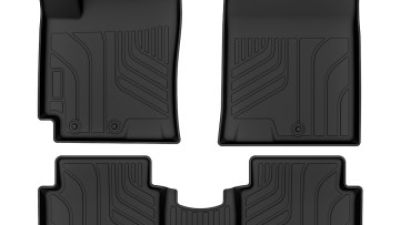
3D TPE car floor mats are becoming a practical choice for drivers who need durable, wear-resistant protection in demanding conditions. A 2024 market assessment by Grand View Research valued the global thermoplastic elastomers market at more than USD 25 billion and projected steady growth through 2030, reflecting increasing demand for lightweight, flexible, and recyclable polymer solutions in automotive applications. High-density TPE is particularly suitable for floor mats because it combines elasticity with strong resistance to abrasion, scratches, moisture, and temperature changes.
Manufactured by trusted suppliers and factories in China, these custom-fit 3D mats are engineered to follow the contours of a vehicle’s floor, helping contain water, mud, sand, and spilled liquids. Their raised edges and textured surfaces support easier cleaning while reducing the risk of permanent staining or material damage. Unlike lower-grade plastics, quality TPE remains flexible in cold weather and stable under heat, helping prevent deformation, hardening, or cracking over long-term use.
Automotive material research also continues to emphasize durability and lifecycle performance as key factors in reducing replacement frequency. With rigorous molding control, consistent material density, and quality inspections, professional factories can produce floor mat accessories that deliver dependable protection across diverse climates and everyday driving conditions.
Rubber resists moisture and stays stable on concrete or decking. Polypropylene dries quickly and resists fading. Natural coir scrapes shoes well but absorbs water.
Yes. Dark rubber and other dark surfaces may become very hot in direct summer sunlight. Test the mat barefoot only with caution.
Raised textures, drainage holes, open grooves, and beveled edges help water escape. A thick mat may still hold water underneath.
Measure the clear doorway area first. Leave space for door movement and foot traffic. A small mat may leave wet footprints nearby.
Rectangular mats fit most straight doorways. Half-round mats suit curved entries. Custom-cut mats can fit irregular spaces, though uneven edges may collect mud.
Raised ribs scrape grit from shoes. Looped fibers hold moisture and fine dust. Medium-depth patterns often balance cleaning, comfort, and leaf removal.
Not always. Coarse textures clean shoes effectively but may feel uncomfortable under bare feet. They can also trap leaves during windy weather.
Look for stable, non-marking backing with drainage holes. Some rubber-like materials may stain porous stone when moisture remains trapped.
Lift it weekly during wet weather. Sweep underneath and let both surfaces dry. This simple habit can prevent hidden moisture damage.
No. Inspect the seams, edges, underside, and drainage design. Outdoor mats face rain, sunlight, dirt, and repeated traffic, so some decline is unavoidable.
Weatherproof Mats are designed to provide dependable protection, traction, and comfort in outdoor areas exposed to rain, sunlight, dirt, and changing temperatures. Common options include rubber, polypropylene, coir, PVC, and woven synthetic mats, each offering different levels of durability, water resistance, softness, and cleaning convenience. The best choice depends on the setting: a covered entryway may benefit from a comfortable, decorative surface, while patios, garages, poolside areas, and muddy garden entrances require stronger drainage and slip resistance.
When selecting an outdoor mat, consider the available space, preferred shape, traffic level, and surface texture. Raised patterns can help remove dirt, while perforated designs allow water to drain quickly. A stable, non-slip backing improves safety, and adequate thickness can add comfort without creating a tripping hazard. Regular sweeping, rinsing, and complete drying help prevent odors, staining, and material breakdown. With suitable placement and routine maintenance, a quality weatherproof mat can maintain its appearance and performance through long-term outdoor use.