Walt
Linyi Walt International Trade Co., Ltd.

Our extensive product range covers over 2,000 vehicle models

Leave Your Message
0%

Picking out the best floor mats for 2026 isn't really about following the latest trends—it's all about considering the space where they'll actually be used. For example, a mat by a muddy entryway needs to grip well and be easy to clean, while a kitchen mat might be more about comfort and cushioning. When you're choosing a mat for your car, it’s got to fit the floor shape perfectly and not block the pedals. And those tiny details—like curled edges, grit trapped underneath, or a slippery backing—can turn what seemed like a good deal into an annoying daily hassle.

Market reports can give us some perspective, but they don’t usually point to a single clear winner. Take Grand View Research’s 2024 analysis, which estimates the global flooring market hit around $339 billion in 2023 and is still growing. Keep in mind, that number covers all kinds of flooring, not just floor mats. So, it’s more of a sign that the whole category is changing and expanding, but it doesn’t mean any one material or brand is automatically the best.

For safer walking surfaces, ASTM International’s F1637-21 sets some helpful guidelines about walkway design and maintenance. But don’t mistake that for ranking products or certifying specific mats. There’s only so much evidence out there, and one thing that’s missing—especially when it comes to safety—is a clear comparison of how well different mats perform in real life.

This guide focuses on practical stuff—how well a mat fits, gives good traction, lasts over time, is easy to clean, and offers good value—rather than relying on tricky marketing claims or hype. The U.S. Bureau of Labor Statistics keeps track of workplace injuries caused by slips, trips, and falls, which is a good reminder that our walking surfaces really matter. Still, no matter what you buy, it won’t eliminate every hazard. Before you make a decision, double-check the dimensions, the backing, and the care instructions to see if they fit your actual space, whether it’s your home, car, or workplace. In the end, the best choice is the one that actually works for your situation and stays manageable over time. Maybe it’s not super glamorous, but that’s kind of the point, right?

What Are the Best Floor Mats for 2026?

What Floor Mats Are and How They Protect Floors

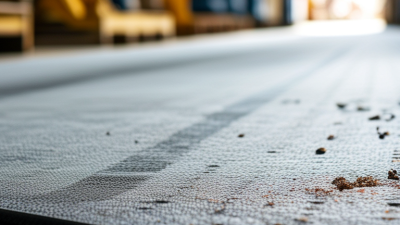
A floor mat is a removable surface placed between daily foot traffic and the floor beneath it. It catches grit, crumbs, and moisture before they spread across a room. Tiny particles can act like sandpaper under shoes, gradually dulling finishes or scratching delicate surfaces. A practical barrier. Mats also make wet entryways easier to manage, though they cannot prevent every spill or scuff.

The right mat depends on where it will be used. A low-profile mat near a doorway is easier to open doors over, while a larger one can catch dirt from several steps. Tpe Floor Mats are valued for their flexible, water-resistant material and simple wipe-clean care. Still, material alone does not guarantee a good choice. Check the mat’s size, edge shape, and grip against the floor type.

Moisture trapped underneath can mark some floors, so lift and dry the mat during routine cleaning. On smooth surfaces, a secure, floor-compatible backing helps reduce sliding; on carpet, the underside needs to hold without snagging fibers. Fit still matters. A mat that curls at the corners may become a trip hazard, and one that is too small can miss the busiest patch of floor. Inspect it now and then, especially after heavy use.

Which Floor Mat Types Are Available in 2026

What Are the Best Floor Mats for 2026?

Which Floor Mat Types Are Available in 2026

Floor mats come in several practical types. Coir mats scrape dry dirt from shoes, while rubber mats offer grip near wet entrances. Washable fabric mats suit kitchens and living rooms, though some slide on smooth floors. Microfiber mats absorb moisture quickly. Anti-fatigue mats cushion people standing at sinks or workbenches. Drainage mats, often made from rubber or vinyl, let water pass through in utility areas. No single type fits every room.

Safety deserves attention. The U.S. Bureau of Labor Statistics recorded 885 fatal workplace injuries from falls, slips, and trips in its 2023 Census of Fatal Occupational Injuries. That figure does not show that mats prevent falls, but it underlines the value of secure footing. Choose a mat with a stable backing, a suitable size, and edges that lie flat. I’d still check it after cleaning; a slightly curled corner can be easy to miss.

Tips: Match the surface to the mess. Use absorbent microfiber for drips, textured rubber for damp entryways, and washable fabric where crumbs collect. Test grip on your own floor. Some mats that feel secure in a shop may shift on polished tile.

How Mat Materials Affect Durability and Performance

Choosing the best floor mats for 2026 depends on the material, climate, and daily use. Carpet mats soften road noise and feel comfortable underfoot, but trapped grit can wear down the pile. Rubber mats handle muddy shoes and frequent rinsing well; some feel stiff in cold weather. Thermoplastic elastomer mats are often lighter and flexible, though texture and thickness vary by product. For Floor Mats Car shoppers, edge height and coverage matter as much as the material. A thin mat that shifts can leave dirt beneath it.

Tips: Check fit around the pedals before driving. Shake out loose grit weekly, then wash and dry mats fully. Damp mats can hold odors.

Fit matters most. No material is perfect. Look for secure anchoring points and a shape that follows the footwell without curling. In snowy or rainy conditions, raised channels can help contain water, but they still need regular cleaning. For a quieter, softer cabin, carpet may suit dry commutes better. Consider how you actually use the vehicle, not just how a mat looks in a product photo. A small fit mismatch is easy to overlook until it catches debris or moves underfoot.

What Features to Compare When Choosing a Floor Mat

Choosing a floor mat starts with fit, not color. Measure the usable floor area, including space around pedals and door edges. A mat that curls or slides can become a distraction. Check whether its shape matches your vehicle or room, and look for secure backing or compatible retention points. Small gaps matter.

Material affects grip, cleaning, and comfort. Rubber-style surfaces often handle wet shoes and muddy boots well, while carpeted mats can feel softer underfoot. Compare raised edges, drainage channels, and how easily dirt lifts from the texture. Deep grooves may trap grit, but they can also take longer to rinse. Consider your usual conditions: rain, snow, pets, or frequent spills. Keep it practical.

Durability is more than thickness. Inspect stitching, edge binding, and whether the mat keeps its shape after repeated cleaning. A heavy mat may stay put, yet feel awkward to remove. That trade-off is easy to overlook. If possible, check care instructions and confirm that cleaning products are suitable for the material. No mat suits every routine; a textured surface that works for muddy footwear may feel too rough in a dry, tidy space. Judge comfort and maintenance together.

What Are the Best Floor Mats for 2026? — What Features to Compare When Choosing a Floor Mat

Mat Type Typical Material Suitable Locations Water and Dirt Performance Grip and Floor Considerations Care and Cleaning Main Trade-Off
Scraper entry mat Coir, stiff synthetic fibers, or a combination of fibers and rubber Covered porches, entryways, and other sheltered doorways Textured fibers help loosen and trap dry dirt from shoe soles. Some designs also absorb a modest amount of moisture. Choose a mat that lies flat and has a secure backing. Coir fibers can shed, so consider the surface below it. Shake or brush outdoors; allow it to dry if it becomes damp. Useful for scraping dirt, but natural-fiber versions are generally better in sheltered areas than in constantly wet locations.
Rubber utility mat Natural or synthetic rubber Garages, mudrooms, workshops, and outdoor areas, depending on the product’s weather rating Water-resistant rubber can help contain spills; raised patterns or openings may help manage dirt and water. Weight and a textured underside can help limit movement. Check that the backing is suitable for the floor finish. Rinse or wipe clean; dry the floor beneath periodically. Durable and easy to clean, but heavier styles may be difficult to move and can have a noticeable odor when new.
Indoor absorbent entry mat Tufted polypropylene or other synthetic face fibers with a backing Indoor entrances, hallways, and mudrooms Dense fibers can collect fine dirt and absorb some tracked-in moisture. Capacity varies with pile and mat size. Look for a stable backing and a low profile that does not obstruct doors. Use a floor-safe backing for the flooring type. Vacuum regularly; follow the care label for washing or spot cleaning. Helps keep indoor floors cleaner, but a saturated mat needs time to dry.
Washable cotton mat Cotton yarn or woven cotton Kitchens, bathrooms, and indoor entry areas when the care instructions permit Absorbs moisture, but can become damp and may not hold as much grit as a coarse scraper mat. A separate non-slip underlay may be needed. Confirm that the underlay is compatible with the floor and mat. Many versions can be machine-washed, but check the label and dry fully before reuse. Convenient to launder, but frequent washing and slow drying can be drawbacks.
Microfiber bath mat Polyester or polyester-blend microfiber, often with a backing Bathrooms, beside showers, and near bathtubs Absorbs water from feet; the amount and drying speed depend on pile, thickness, and room ventilation. Use a non-slip backing or suitable underlay, and keep the mat flat on a dry, clean floor. Wash and dry according to the care label; clean the floor underneath as well. Soft and absorbent, but it needs regular laundering and should not be left wet for long periods.
Kitchen comfort mat Foam, gel, or cushioned PVC-based construction Standing areas in kitchens, laundry rooms, or workstations Usually designed for cushioning rather than soaking up water; wipeable surfaces can simplify cleanup. Check the underside for a stable, floor-compatible backing. Avoid curled edges that could become a trip hazard. Wipe the surface and clean beneath it regularly; follow the manufacturer’s care directions. Adds cushioning for standing, but may not be suitable for wet areas or for every floor finish.
Open-grid drainage mat Rubber or flexible PVC with a perforated or raised structure Wet utility areas, some commercial-style entrances, and locations where drainage is needed Openings allow water and debris to pass through or collect below the walking surface rather than being absorbed. Choose a mat that stays flat and cannot shift underfoot; ensure the floor beneath can tolerate moisture. Lift and rinse the mat, then clean and dry the floor underneath. Useful for drainage, but debris can collect beneath it and require frequent cleaning.

Which Floor Mats Suit Different Rooms and Needs

A mat should fit the room’s mess, not just its color scheme. For an entryway, choose a low-profile, absorbent surface that catches grit and wet footprints without curling at the edges. A washable backing helps when rain turns the doorway into a muddy patch. In kitchens, look for a stable, easy-clean mat that lies flat near the sink. Small detail, big difference.

The National Floor Safety Institute’s slip-and-fall prevention materials report more than one million emergency-room visits annually from slip-and-fall incidents. A mat cannot remove every hazard, but secure placement and prompt cleaning can reduce avoidable slick spots. Bathrooms need quick-drying materials and edges that do not lift. The U.S. Environmental Protection Agency advises drying wet areas within 24 to 48 hours to help prevent mold growth. Damp mats left folded in a corner defeat that purpose.

For cars, Car Floor Mats should match the vehicle’s footwell and contain water, sand, and road salt without blocking pedals. In living rooms, a larger rug pad can limit shifting beneath a rug; check it periodically, since dust can reduce grip. For play areas, prioritize a cushioned, washable surface and inspect seams for trapped crumbs. I would not choose solely by softness: a plush mat may feel inviting but can be harder to clean. A compromise is common.

What Are the Best Floor Mats for 2026?

Compare common mat materials by room. Scores are a qualitative suitability guide from 1 (less suitable) to 5 (more suitable), based on typical material traits—not standardized test results.

Rubber and vinyl are practical for areas exposed to moisture or dirt; coir is commonly used at entryways, while cotton and microfiber suit softer indoor use. In wet areas, choose a mat with a secure, non-slip backing.

How to Clean and Maintain Floor Mats for Longer Use

A durable mat depends on what happens after the muddy footprints appear. The U.S. Environmental Protection Agency reports that indoor concentrations of some pollutants are often two to five times outdoor levels. That figure is not specific to floor mats, but it shows why removing tracked-in dust matters. For Floor Mats For busy entryways, shake loose grit outside, then vacuum both sides. Small stones can grind against fibers like sandpaper. Check the maker’s care label before using water or detergent.

Clean spills promptly with a damp cloth and mild, suitable cleaner; blot rather than scrub. The Carpet and Rug Institute recommends regular vacuuming and quick attention to spills to help protect carpet fibers. Dry mats fully before putting them back. Trapped moisture can encourage odors and may damage some backing materials. Rotate mats every few months to even out wear, and inspect edges for curling. A curled corner is easy to miss. I still find that a weekly schedule slips during rainy weeks, so a quick entryway check helps catch grit before it spreads. Keep a simple cleaning log if several mats serve different rooms.

China TPE Car Floor Mats: Wholesale Waterproof Protection for a Cleaner Vehicle Interior

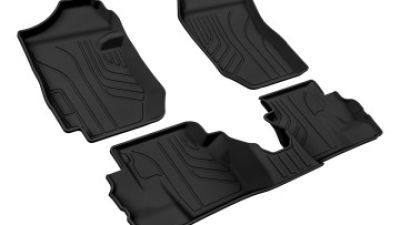
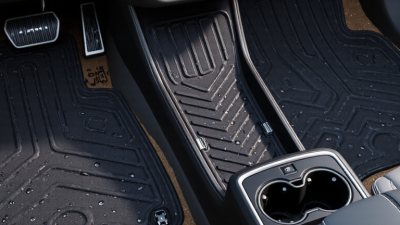
China-made TPE car floor mats offer a practical way to protect vehicle interiors from everyday mess. Their waterproof surface helps contain rainwater, muddy footprints, dust, and accidental spills, reducing the chance that moisture and dirt will reach the original carpet. Raised edges and a vehicle-specific shape can help keep debris within the mat, making these mats suitable for daily commutes, family trips, and changing weather.

Available through wholesale supply, these mats are made from durable, eco-friendly TPE material designed for lasting use. They are odor-free and flexible, allowing straightforward installation and removal for cleaning. A quick rinse or wipe is often enough to refresh the surface, so routine care takes little effort. Buyers can source directly from trusted suppliers in China and request fitment options for different vehicle models, helping them provide customers with a cleaner, more comfortable cabin and dependable interior protection.

FAQS

What does a floor mat do?

It catches grit, crumbs, and moisture before they spread across a room. Small particles can scratch or dull some floor finishes over time. It helps, but it cannot stop every spill.

How should I choose a mat for an entryway?

Match its size to the busiest walking area. A larger mat can catch dirt from several steps, while a low-profile one leaves more room beneath a door. Check that its edges lie flat.

Which mat materials suit different messes?

Microfiber absorbs drips, textured rubber offers grip near damp entrances, and washable fabric works well where crumbs collect. Coir scrapes dry dirt from shoes. No single mat suits every room.

How can I keep a mat from sliding?

Choose a backing that works with your floor type. Test the mat on your own polished tile or wood; shop-floor grip may not match your home. On carpet, avoid backing that snags fibers.

How often should I clean floor mats?

Shake out loose grit and vacuum both sides regularly, especially in busy entryways. A weekly routine sounds simple, but rainy weeks can disrupt it. A quick floor check still helps.

What is the safest way to clean a mat?

Check its care label before using water or detergent. Blot spills with a damp cloth and a suitable mild cleaner instead of scrubbing. Let the mat dry fully before putting it back.

Why should I lift a mat during cleaning?

Moisture trapped underneath may leave marks or affect some backing materials. Lift the mat, dry the floor, and check for grit. It takes a moment.

When should I replace or reposition a mat?

Inspect its corners and backing after heavy use. Curling edges can create a trip hazard, and a mat that misses the busiest patch may need moving. Wear is easy to overlook.

Conclusion

Choosing the best Floor Mats for 2026 starts with understanding how they protect floors from dirt, moisture, scratches, and everyday wear. Options range from entryway and kitchen mats to runners, anti-fatigue mats, and low-profile designs. Their performance depends on materials such as rubber, coir, microfiber, and synthetic fibers, each offering different levels of durability, absorbency, grip, and comfort.

Before choosing a mat, compare its size, thickness, backing, slip resistance, ease of cleaning, and suitability for the room. A durable, moisture-resistant mat may work well near an entrance, while a cushioned option can add comfort in a kitchen or workspace. Regular vacuuming, shaking, spot cleaning, and following care instructions can help keep mats fresh and extend their useful life.
Benjamin

Benjamin

Benjamin is a skilled marketing professional with a deep understanding of advanced 3D scanning technology and precision custom molding processes. His expertise lies in creating tailored solutions that ensure each mat perfectly fits various vehicle models, delivering seamless coverage and effortless......
Previous Top 10 3D Car Floor Mats Suppliers for Global Buyers