Walt
Linyi Walt International Trade Co., Ltd.
Our extensive product range covers over 2,000 vehicle models

Leave Your Message
Our extensive product range covers over 2,000 vehicle models
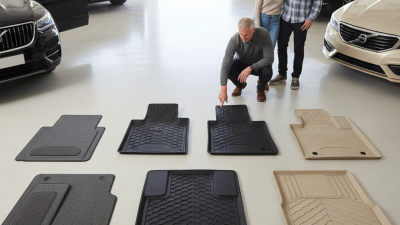
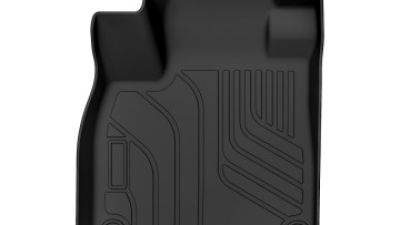
When it comes to picking Automobile Mats for 2026, you've gotta start with your vehicle's shape, the weather where you live, and how you actually use the cabin. The right set should fit snugly, stay put, and collect dirt without getting in the way of the pedals. And the little details? They matter more than you'd think. A raised edge can help contain melting snow, while a textured surface tends to grip wet shoes way better than a smooth one.
Every material has its pros and cons, honestly. Rubber and thermoplastic mats are usually a breeze to rinse off, but how they feel and flex? That varies. Carpeted ones can look closer to factory flooring and feel nicer underfoot, but drying them takes a while—especially if you're dealing with a rainy parking lot. That's when the differences really show. Same with a mat that curls up at the corner. No material is perfect, and just because a mat has a high rating doesn't mean it'll fit your car perfectly.
Alright, so this guide is basically your go-to for comparing car mats—fit, coverage, how much of a pain they are to clean, durability, and whether they're worth the money. We looked at what manufacturers claim and what real owners are saying, but we took both with a grain of salt. Reviews are great for spotting common issues, though your mileage may vary. Before you order anything, double-check your vehicle's model year and trim, and don't forget to peek at the owner's manual for proper floor-mat placement. And hey, a mat that fits securely isn't just about looks. It genuinely matters for everyday comfort and making sure your pedals aren't blocked. Honestly, the best option isn’t necessarily the priciest one out there. It’s really about what fits your daily commute, your local weather, and how much mess you’re willing to deal with. Oh, and one thing to keep in mind: manufacturers tweak their designs all the time, so make sure you double-check the specs before you hit that order button.
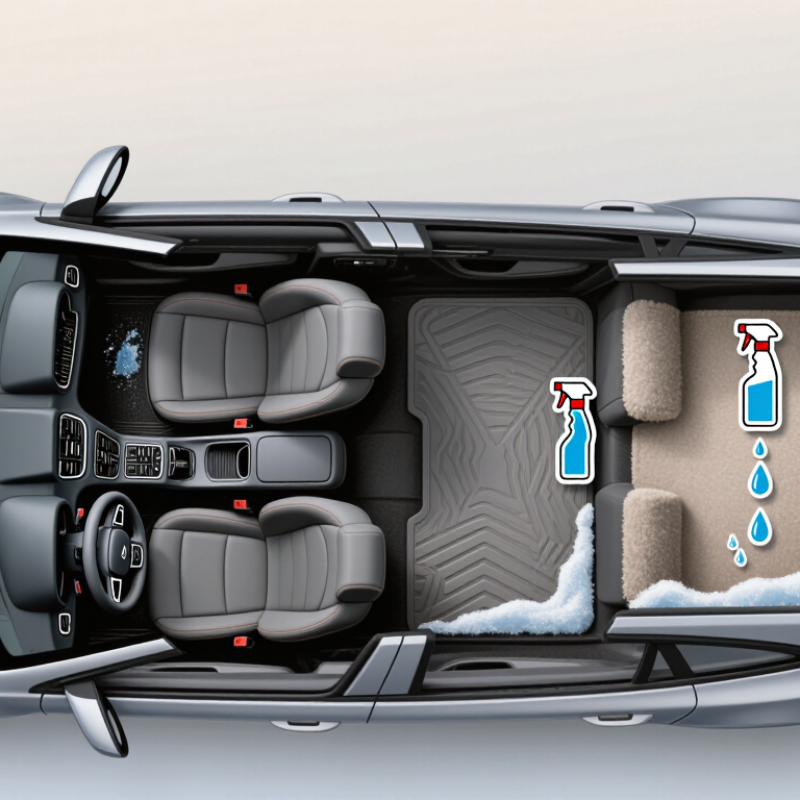
Automobile Floor Mats help protect a vehicle’s original carpeting from grit, spills, and daily wear. Fine sand can work into carpet fibers and gradually dull their texture. Mud and melted snow may leave damp patches that linger underfoot. Mats create a removable barrier that is easier to shake out or wash than fitted carpeting.
Coverage and fit matter. A mat with raised edges can help contain water and loose debris, especially near the driver’s feet. It should sit flat and stay in place, with no edge curling toward the pedals. Check that it matches the vehicle’s floor shape and does not interfere with pedal movement. Fit matters.
Material affects care as well as protection. Rubber-like mats are practical for wet weather and can be rinsed clean, while carpeted mats may suit dry conditions and trap less visible dust. Neither type is maintenance-free. Emptying a mat while it is still wet can leave moisture underneath, so lift it occasionally and let both surfaces dry. A common oversight is cleaning only what can be seen. A quick look beneath the mats can reveal dampness, trapped crumbs, or grit before it becomes harder to remove.
There is no single best mat for every vehicle or climate. Compare common mat types by their coverage, water handling, upkeep, and intended use. Fit and retention features vary by vehicle, so check compatibility before buying.
| Mat Type | Typical Material | Interior Protection | Advantages | Limitations and Care | Best Suited For |
|---|---|---|---|---|---|
| All-weather molded mats | Rubber or flexible thermoplastic | Raised edges and molded channels can help contain water, mud, slush, and loose debris. | Generally easy to remove and rinse; useful in wet or muddy conditions. | Fit and edge height differ by design. Remove and clean periodically so trapped grit does not abrade the floor. | Drivers who regularly encounter rain, snow, mud, or outdoor activities. |
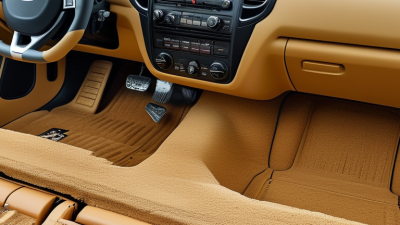
| Carpet mats | Tufted or woven synthetic carpet, often with a backing | Helps catch dust and everyday debris while matching a carpeted interior. | Soft underfoot and available in different pile textures and thicknesses. | Can absorb liquid and may take longer to dry. Vacuum regularly and address spills promptly. | Mostly dry conditions and drivers who prioritize a carpet-like appearance. |
| Hybrid mats | Carpet surface combined with a water-resistant or molded base | Can offer a carpeted foot surface with added protection underneath or around the edges. | Balances a softer feel with some resistance to everyday moisture and debris. | Protection depends on construction; not every hybrid design contains substantial liquid. Follow the maker’s cleaning instructions. | Mixed-use driving where comfort and practical protection are both priorities. |
| Universal-fit mats | Rubber, thermoplastic, or carpet | Provides a basic barrier over the floor area it covers. | Often easy to find and can be moved between some vehicles. | May not match the vehicle’s floor shape or cover as much area. Trim only where permitted, and ensure the mat cannot interfere with pedals. | Drivers seeking a general-purpose option when an exact-fit mat is unavailable. |
| Vehicle-specific mats | Rubber, thermoplastic, carpet, or composite materials | Designed around a particular vehicle’s footwell, which can improve coverage when correctly matched. | May align more closely with floor contours and factory retention points. | Compatibility depends on the exact vehicle model, year, and floor configuration. Confirm fit and secure attachment before driving. | Drivers who want coverage tailored to their vehicle’s interior. |
| Cargo-area mats | Rubber, thermoplastic, carpet, or composite materials | Helps protect the cargo floor from dirt, spills, and scuffs caused by carried items. | Useful for groceries, sports equipment, pets, and outdoor gear; removable designs are easier to clean. | Does not replace a passenger footwell mat. Check that it fits the cargo floor and does not obstruct storage access. | Drivers who frequently carry cargo or want to protect a hatchback, wagon, or SUV load area. |
Selection and safety tip: Choose a mat that fits the vehicle’s footwell, stays securely in place, and does not obstruct accelerator or brake pedal movement. Remove mats for cleaning and reinstall them only when fully dry and properly secured.
Choosing all-weather TPE floor mats from a reliable China supplier starts with fit and material quality. For a secure fit, check that the mats are designed for your vehicle’s model year and interior layout, and confirm that their edges and contours follow the floor area closely. TPE is valued for its flexibility, durability, and easy-care surface. Raised edges and well-shaped channels can help contain water, mud, dust, and everyday spills before they reach the carpet.
Before ordering, ask the supplier about material specifications, product measurements, sample availability, and quality-control procedures. Clear product photos and installation guidance can also help you assess whether the mats will suit your needs. Premium all-weather mats are made for regular use across changing conditions: they can be removed for cleaning, rinsed when dirty, and returned to the vehicle once dry. By comparing fit, construction, and supplier support, you can select a practical option that helps keep the cabin cleaner and more comfortable throughout the year.
Carpet mats feel soft and can reduce road noise. Rubber mats resist water and rinse clean. Thermoplastic mats often have raised channels for slush and crumbs.
Rubber or thermoplastic mats can help contain meltwater and grit. Look for raised edges and deep channels. They still need regular rinsing.
They suit dry conditions and feel warm underfoot. But salt and damp grit can settle into the fibers. Dry them fully after washing.
A shaped mat can cover more of the footwell. Universal mats may leave gaps near the door sill or pedals. That gap collects grit.
Match its retention points to the vehicle. Press each corner after installation, then move the seats through their full range. It should not slide.
Check where muddy shoes and wet gear usually land. Choose coverage for those areas, while keeping seat rails and drainage paths clear.
Rinse away grit before scrubbing; trapped sand can wear the surface. Let each mat dry fully before reinstalling it. Easy to miss.
Inspect its edges, grip, and shape every few weeks, especially after winter. Cracks or sliding can reduce coverage. I would not judge durability by appearance alone.
The best Automobile Mats for 2026 are those that protect a vehicle’s interior while fitting its everyday needs. By catching dirt, moisture, spills, and wear before they reach the carpet, mats can help keep the cabin cleaner and easier to maintain. Options range from carpeted mats to rubber and molded all-weather designs, with materials offering different balances of comfort, flexibility, water resistance, and durability.
Performance depends on more than material alone: a close fit, broad coverage, secure grip, and sturdy construction all matter. Drivers should consider local climate, typical road conditions, cleaning habits, and vehicle type when choosing a set. Proper installation helps prevent shifting, while regular removal and cleaning can extend the mats’ useful life. Inspecting them for wear and replacing damaged or poorly fitting mats helps maintain reliable coverage over time.