Choosing the right Car Wash Floor Mat has really become a practical must-have for buyers worldwide in 2026. You know how water, soap, grit, oil, and nonstop car traffic can turn a simple job into quite a challenge, right? A mat that works great in a small European wash bay might not cut it in a humid coastal location. It’s all about climate, how the drainage is set up, how often you clean, and even how easily you can replace it locally—that stuff really matters when making a call.
Daniel Mercer, who’s an independent car wash equipment consultant and used to be the technical manager over at AquaClean Systems, put it perfectly: “Floor protection should really come down to drainage, durability, and how easy it is to care for daily—not just how it looks.” That’s a common lesson learned in the field—sure, pretty mats look nice, but if their backing curls, drains clog, or the edges get slippery, safety’s out the window. So yeah, aesthetics matter, but safety first! Still, we’ve gotta be careful with product claims—it's smart to ask for data on things like abrasion resistance, chemical durability, and clear instructions for installation. Don’t just buy into the marketing hype without proof.
This guide is here to help you compare the top types of Car Wash Floor Mats, especially if you’re on an international team trying to figure out what works best. We’re looking at rubber grid mats, PVC drainage mats, modular tile setups, absorbent entrance mats, and custom-cut industrial options—all designed for different spots around the wash. Some are great at controlling standing water near the wash tunnels, while others catch dirt before it even hits the customer lounge or payment stations. Plus, factors like shipping weight, how often you need to replace them, and staff familiarity can tip the scales. There’s really no one-size-fits-all answer; it’s all about testing and seeing what works best in your specific setting. Even seasoned buyers can miss small but crucial details—like whether a mat is thick enough to clear the door threshold or how drain spacing underneath can affect drainage. These little things often decide if your floor stays clean, safe, and reliable during those hectic busy days.

Car Wash Floor Mat Types and Their Core Functions
2026 Top Car Wash Floor Mat Types for Global Buyers
Car Wash Floor Mat Types and Their Core Functions
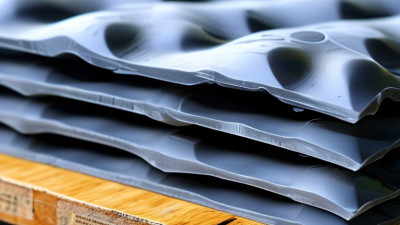
Car wash floor mats do more than protect concrete. They manage water, grit, detergent residue, and vehicle fluids around busy wash bays. Ribbed rubber mats offer strong traction and tolerate repeated rolling loads. Their raised channels guide water away from standing areas. PVC drainage mats are lighter and easier to reposition. They suit temporary bays or facilities with frequent layout changes. Modular mats connect across large floors and can include drainage channels or cable covers. Absorbent surface mats help at entrances, payment areas, and drying zones, where fine moisture creates slip risks.
In field inspections, I check the underside before judging the surface. A flat underside may trap dirty water against concrete. That weakens hygiene and can create unpleasant odors. I also measure ramp edges, drainage slopes, and cleaning access. Thick mats feel durable, but they may become difficult to lift daily. I once preferred maximum thickness, then found that staff avoided moving heavy sections. That was a practical mistake. Material resistance, temperature range, and chemical compatibility also deserve verification through technical data and sample testing.
Tips:
Choose textured surfaces for wet zones. Match drainage openings to floor channels. Use beveled edges to reduce trip hazards. Ask for load, temperature, and cleaning guidance. Test one section first. A small trial can reveal curling, odor retention, or poor grip before full installation.
Material Options for Different Car Wash Environments
2026 Top Car Wash Floor Mat Types for Global Buyers
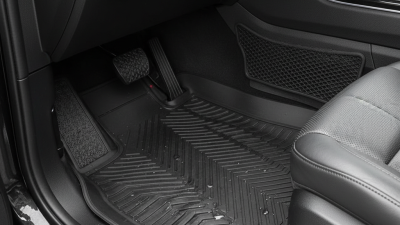
Material selection should match the washing environment, not just the vehicle model. In automatic tunnels, water, foam, and grit move quickly across the floor. TPE mats offer flexible edges, low water absorption, and simple rinsing. A Tpe Car Floor Mat can suit busy bays when its surface has reliable traction and reinforced channels.
Rubber mats work well in self-service stations with heavy foot traffic and frequent chemical exposure. Their dense structure handles repeated scrubbing, although some grades become stiff in cold climates. PVC mats can reduce purchasing costs, but buyers should check odor, cracking resistance, and performance under strong sunlight. Material quality varies widely.
For detailing areas, choose mats with fine textures and stable borders. They help protect concrete from shampoo, wax, and dirty runoff. In open-air facilities, drainage speed matters more than appearance. A raised pattern can prevent puddles near worker pathways. It cannot replace proper floor drainage.
Field checks should include wet-slip testing, edge curling, hose impact, and cleaning time. Ask suppliers for temperature and chemical-resistance data, not vague claims. I have seen attractive mats fail because water stayed beneath them. That mistake is easy to overlook. Buyers should also inspect recycled content and disposal guidance, since environmental performance depends on the complete product life cycle.
Drainage, Water Resistance, and Slip Prevention Features
2026 Top Car Wash Floor Mat Types for Global Buyers
Drainage, water resistance, and slip prevention should guide every car wash mat purchase.
The U.S. Bureau of Labor Statistics reported that slips, trips, and falls caused about 20% of nonfatal workplace injuries involving days away from work in 2022. Wet service areas deserve serious attention.
Open-grid rubber mats drain quickly beneath rinsing bays and entry doors. Raised channels help carry water toward floor drains, while beveled edges reduce trip points. However, large openings can catch small tools or heels. That detail is easy to overlook.
Dense TPE or PVC mats resist water, detergents, and repeated pressure from carts. Yet, they may hold moisture underneath without adequate ventilation.
Slip resistance depends on more than a textured surface. OSHA’s Walking-Working Surfaces standard, 29 CFR 1910.22, emphasizes clean, orderly, and sanitary walking areas. Buyers should request wet-slip test results, not rely on appearance.
A practical target is a stable mat that remains flat after thermal changes, detergent exposure, and heavy vehicle traffic. Regional buyers should also check local accessibility and fire-safety requirements. Standards differ.
Field checks reveal a common weakness: mats are often selected for thickness alone. Thick products can obstruct drainage and create raised edges. Measure drain spacing first.
Inspect the underside weekly. Replace curled sections quickly, even when the top still looks usable.
No mat can correct poor floor slope or blocked drains. Water finds edges.
Comparing Modular, Roll-Out, and Custom-Fit Mat Designs
2026 Top Car Wash Floor Mat Types for Global Buyers
Comparing Modular, Roll-Out, and Custom-Fit Mat Designs
Car wash floors face water, grit, tire chemicals, and constant vehicle movement. The right mat design affects drainage, cleaning time, and worker safety. Modular mats use interlocking sections, so damaged areas can be replaced without removing the whole floor. They suit busy sites with changing layouts. However, loose connections may collect sand if maintenance is irregular.
Roll-out mats provide fast installation across long washing bays. Staff can unroll them, align the edges, and create a continuous working surface. This design reduces visible seams and supports quick replacement during renovation. Storage can be difficult, though. A wet, heavy roll needs enough space and proper drying control.
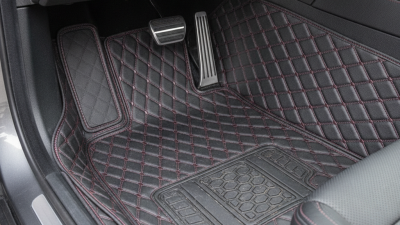
Custom-fit mats follow the exact shape of a bay or vehicle service area. A 5d Tpe Car Floor Mat can offer raised edges, textured channels, and flexible coverage around practical floor contours. These details help guide water toward drainage points. Buyers should check thickness, temperature range, slip resistance, and chemical compatibility before ordering. Measurements must be accurate; one small error can leave an exposed strip.
From field experience, drainage performance is often more important than appearance. Yet no design works perfectly in every climate or wash system. A sample installation can reveal curling, trapped debris, or slow water flow. Global buyers should also confirm cleaning methods, replacement availability, and local installation skills before choosing a final format.
2026 Top Car Wash Floor Mat Types for Global Buyers
Comparing Modular, Roll-Out, and Custom-Fit Mat Designs by typical installation time.
Custom-fit mats generally require the least installation time because they are produced for a specific wash-bay layout. Modular mats offer flexible replacement and expansion, while roll-out systems typically require more preparation and handling during installation. Actual times vary according to bay size, drainage conditions, equipment access, and workforce.
Selecting Floor Mats by Climate, Traffic, and Vehicle Volume
In 2026, global car wash buyers should select floor mats by climate, traffic, and vehicle volume. A mat that works in one region may fail quickly elsewhere.
Hot regions need UV-resistant materials that do not soften under direct sunlight. Cold areas require flexible mats that resist cracking during freezing temperatures. Humid sites benefit from raised drainage channels and fast-drying surfaces. Dusty environments need textures that release sand during routine washing. Do not trust one material everywhere.
Busy wash sites need strong abrasion resistance and secure edges. Rubber, PVC, and TPE mats can handle repeated vehicle movement when properly designed. High-volume facilities should choose modular sections for faster replacement and simpler maintenance. A Custom Car Floor Mat can match bay dimensions, drainage paths, and working zones. Measure carefully. Small errors create standing water.
Operators should inspect mats weekly for curled corners, trapped grit, and worn drainage channels. I have found that thick mats are not always better. They may hold debris and slow drying. A textured surface can improve grip, but excessive texture makes cleaning harder. Test a sample during the wet season. Record drying time, cleaning effort, and visible wear. Real floors are rarely perfect. This review may reveal that a cheaper, simpler mat performs better for a specific site.
Global Standards, Maintenance Needs, and Replacement Costs
For global buyers, a car-wash mat must survive water, grit, detergents, and repeated vehicle traffic. Rubber, PVC, aluminum-grid, and molded thermoplastic types serve different maintenance needs. EN 16165 provides recognized slip-resistance testing for pedestrian surfaces. Buyers should request wet-slip test results, not only ISO 9001 certificates. ISO 9001 supports production control, but it does not prove floor safety.
The U.S. EPA’s WaterSense at Work guidance reports that professional vehicle washing may consume about 40 gallons of water per vehicle, depending on equipment and reclamation. That moisture reaches every Car Carpets Floor Mat. Mats need raised edges, open drainage channels, and weekly deep cleaning. In busy bays, operators should inspect corners daily. Small tears become trip hazards quickly. My practical concern is simple: drainage is often specified, but rarely checked after installation.
Replacement costs vary by size, thickness, and freight route. Published 2024 commercial-supplier price reviews place heavy rubber mats near US$25–80 per piece. Molded thermoplastic sets often range from US$60–180 before shipping. Aluminum-grid systems can exceed US$200 per section. The International Carwash Association’s industry guidance emphasizes controlling labor, water, and equipment downtime. A cheaper mat may cost more when staff must remove standing water repeatedly. Buyers should compare twelve-month replacement cost, cleaning hours, and local disposal requirements under applicable chemical and waste rules.
TPE Custom-Fit Anti-Slip Car Liners: Durable, Safe Floor Protection from China Suppliers
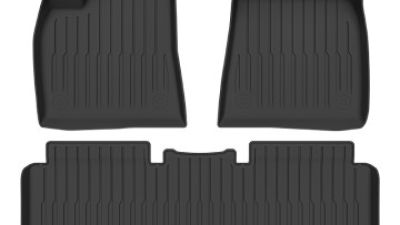
Custom-fit anti-slip car liners provide reliable floor protection while helping create a cleaner, safer vehicle interior. Made from odorless and non-toxic TPE, these liners are shaped to fit different vehicle floor areas closely, reducing movement during daily driving. Their raised edges and practical surface design help contain dust, mud, water, and other debris, making routine cleaning faster and more convenient. The anti-slip texture also supports a stable footing experience for drivers and passengers.
Built for long-term use, the TPE material combines strength, elasticity, and plasticity to withstand repeated stepping, bending, and everyday wear. It also offers excellent resistance to high temperatures, helping the liners maintain their form and avoid unpleasant odors in warm weather. As a dependable China-based supplier and factory, we support customized dimensions and practical solutions for various vehicle models. These durable car liners are an effective choice for protecting original flooring while improving comfort and confidence on every journey.
FAQS
Ribbed rubber mats handle repeated vehicle loads and provide strong traction. Raised channels guide water toward drains. PVC mats are lighter and easier to move. Modular mats cover large areas and may include drainage or cable channels.
Place them near entrances, payment points, and drying areas. These zones often collect fine moisture rather than heavy runoff. Absorbent mats help reduce slippery footprints. They are not a replacement for proper drainage.
Choose open-grid or channeled surfaces for rinsing bays. Match drainage openings with the floor’s channels. Measure drain spacing before ordering. Water finds edges.
No. Thick mats may resist wear but become difficult to lift daily. They can also obstruct drainage or create raised edges. I once favored maximum thickness and regretted the handling burden. Thickness is not everything.
Select textured surfaces for wet walking zones. Use beveled edges to reduce trip hazards. The mat should remain flat after temperature changes and detergent exposure. Appearance alone proves little.
Check whether the underside allows dirty water to escape. A flat underside may trap moisture against concrete. That can create odors and weaken floor hygiene. Inspect the underside weekly.
Review resistance to detergents, vehicle fluids, temperature changes, and repeated pressure. Request technical data when available. Test a sample under realistic cleaning conditions. One section can reveal problems.
Confirm floor slopes, drain locations, ramp edges, and cleaning access. Check whether staff can move the sections safely. Watch for curling, trapped odors, poor grip, and blocked drainage. Replace curled sections quickly.
Conclusion
Choosing the right Car Wash Floor Mat is essential for maintaining a safer, cleaner, and more efficient wash environment. This guide explains the main mat types and their core functions, including modular tiles, roll-out systems, and custom-fit designs. It compares materials suited to heavy-duty commercial use, high-moisture areas, cold climates, and locations exposed to oils, detergents, or frequent vehicle traffic. Key features such as drainage channels, water resistance, textured surfaces, and slip prevention are also examined to help reduce standing water and improve workplace safety.
The article further outlines how climate, traffic levels, vehicle volume, and floor layout influence mat selection. It also considers general quality expectations, routine cleaning, inspection schedules, replacement planning, and long-term operating costs for global buyers. By balancing durability, installation flexibility, maintenance needs, and total value, businesses can select a floor mat solution that supports reliable daily performance while meeting practical environmental and operational requirements.